
About Noida International University
Noida International University was established in the year 2010 by an Act (Act No. 27 of 2010) of the Uttar Pradesh State Legislature. The University is approved under Section 2(f) & 12(b) of UGC Act 1956 and empowered to award degrees as specified by UGC under section 22 of UGC Act 1956. The University is accredited by National Assessment and Accreditation Council (NAAC) with A+ grade, a score of 3.44 highest among private universities in cycle 1 and is also a member of Association of Indian Universities (AIU).
The University has received prestigious recognition by the Department of Science and Industrial Research (DSIR) under the scheme on Recognition of Scientific and Industrial Research Organizations (SIROs), as a Scientific and Industrial Research Organization (SIRO) in 2022 and 2025.
Noida International Institute of Medical Sciences (NIIMS)
NIU is also home to the Noida International Institute of Medical Sciences (NIIMS), a 900 bedded hospital and medical college dedicated to excellence in medical education and healthcare. NIIMS follows a pragmatic, hands-on approach to learning, ensuring students gain in-depth knowledge and practical experience in the field of medicine.
- Medical College with modern facilities
- Hands-on clinical training
- Approved by NMC
School of Liberal Arts
NIU follows principles of participatory governance. Among its distinguished schools, the School of Liberal Arts explores various dimensions of human society through humanities and social sciences, fostering critical thinking, creativity, aesthetics, and life skills philosophy.
School of Journalism and Mass Communication
The School of Journalism and Mass Communication further strengthens NIU's academic landscape, offering rigorous training in media and related disciplines with commitment to excellence, interdisciplinary education, and global engagement.
Conference Tracks
Click on any track to expand and view all sub-themes
TRACK 1 Indian Knowledge System: Textual Traditions, Scientific Heritage and Contemporary Applications (SDGs 3, 4, 9, 11, 12 & 16) ▼
- Learning Philosophy through Indian Knowledge System.
- IKS through the lens of Vedas, Upnishads, Puranas, Shashtras, Shatdarshan etc.
- Critical editions, translation, interpretation and digital preservation of classical Indian texts
- Indigenous epistemologies, pedagogical traditions and intergenerational knowledge transmission
- Ayurveda, Yoga and integrative well-being: evidence, ethics and practice
- Indian aesthetics, philosophy, ethics and value-oriented education
- Purusharthas, social institutions and contemporary debates on welfare, duty and equity
- IKS-informed professional ethics, leadership, entrepreneurship and skill education
- Responsible integration of IKS with science, technology, sustainability and innovation
TRACK 2 Indus Valley to E.H Carr: Understanding of History and Culture across the Globe. (SDGs 4, 11, 16 & 17) ▼
- Archaeology, material culture and social organization in early civilizations
- Comparative historiography, historical theory, archives and methodological debates
- Colonialism, postcolonialism and decolonial approaches to global and regional histories
- Trade routes, migration and the circulation of commodities, technologies and ideas
- Architectural history, heritage landscapes, monuments and conservation practices
- Oral history, collective memory, myths and contested narratives of heritage sites
- Art history, syncretic traditions and intercultural exchange across periods
- Historical foundations of sustainability, institutions, business networks and economic change
TRACK 3 Inequality, Social Inclusion and Participatory Development (SDGs 5, 10, 11 & 16) ▼
- Intersectional inequalities involving gender, caste, class, ethnicity, disability, region and sexuality
- Poverty, precarity, livelihood insecurity, social mobility and multidimensional exclusion
- Migration, displacement, urbanization and transformation of rural and urban communities
- Family, youth, ageing, care work and demographic change
- Community institutions, social capital, collective action and participatory development
- Sociology of education, health, technology and the digital divide
- Social movements, civil society, citizenship practices and grassroots innovation
- Welfare systems, public-service delivery, social policy and programme impact evaluation
TRACK 4 Climate Change, Environmental Governance and Socio-Ecological Resilience (SDGs 6, 11, 12, 13, 14 & 15) ▼
- Climate risk, vulnerability, adaptation, mitigation, and climate justice
- Biodiversity, ecosystem services, restoration and nature-based solutions
- Water security, river-basin governance, coastal systems and sustainable blue economy
- Land-use change, sustainable cities, urban ecology and landscape planning
- Environmental justice, political ecology and indigenous ecological knowledge
- GIS, remote sensing, spatial modelling and environmental monitoring
- Circular economy, green innovation, climate finance and corporate environmental performance
- Environmental law, policy and climate governance
- Natural Resource Management, Biodiversity and Ecosystem Conservation
- Ecocriticism, Environmental Humanities, Indigenous Ecological Knowledge
TRACK 5 Democratic Governance, Media Systems and Geopolitics in a Multipolar World (SDGs 16 & 17) ▼
- Comparative governance, state capacity, institutional performance and public-policy implementation
- Democratic resilience, electoral integrity, constitutionalism and citizen participation
- Global order, strategic competition, multilateral institutions and regional organizations
- India's foreign policy, regional diplomacy, strategic partnerships and Global South leadership
- Journalism, media ownership, political communication and democratic accountability
- Press freedom, platform governance, disinformation and information integrity
- National security, strategic communication, public diplomacy and crisis communication
- Digital sovereignty, technology governance and the geopolitical implications of emerging technologies
TRACK 6 Language, Literary Representation and Communication in Digital and Transcultural Contexts (SDGs 4, 5, 9, 10 & 16) ▼
- Literary World from Fiction to Realism
- Narrative communication, realism and literary representations of everyday life
- Dialogue, speech representation, symbolism and stylistic analysis in fiction
- Comparative literature, translation and the transcultural circulation of genres and ideas
- Identity, gender, marginality, ideology and power in language and literary discourse through the ages of Plays and Poetry
- Professional, organizational, media and multimodal communication
- AI-mediated communication, machine-generated language, authorship and ethics
- Corpus linguistics, language technologies and digital humanities approach to texts
- Blue Humanities, Food Literature, and contemporary themes
TRACK 7 Education, Learning Sciences and Psychological Well-being (SDGs 3 & 4) ▼
- Learning, cognition, motivation and socio-emotional development across the lifespan
- Inclusive education, special educational needs and universal design for learning
- Curriculum, pedagogy, assessment, learning outcomes and classroom research
- Teacher education, professional identity, leadership, workload and burnout
- Student mental health, resilience and school- or university-based well-being interventions
- Educational technology, artificial intelligence, digital literacy and digital well-being
- Lifelong learning, employability, life skills and adult education
- Education policy, equity, institutional effectiveness and future learning ecosystems
TRACK 8 Sustainable Management, Innovation and Inclusive Economic Development (SDGs 8, 9, 10 & 12) ▼
- ESG strategy, corporate sustainability, responsible business and stakeholder governance
- Entrepreneurship, start-up ecosystems, innovation capability and enterprise policy
- Inclusive leadership, diversity, equity, organizational justice and workplace inclusion
- Human-resource development, future skills, employee well-being and changing forms of work
- Strategic management, organizational resilience, international business and global value chains
- Social enterprise, shared value, impact measurement and community-based business models
- Digital transformation, artificial-intelligence adoption, data governance and business ethics
- Sustainable finance, circular business models, responsible consumption and MSME-led livelihood creation
Ethical Statement
The International Conference on Multidisciplinary Approach to Humanities and Social Sciences (MDAHSS 2026) is committed to maintaining the highest standards of publication ethics, academic integrity, and transparency in accordance with the principles of the Ethical Committee. All submitted manuscripts must be original, unpublished, and not under consideration elsewhere.
Every submission will undergo plagiarism screening, AI-assisted content verification (where applicable), and a rigorous peer-review process to ensure fairness, confidentiality, and scholarly quality. Any form of research misconduct — including plagiarism, data fabrication, data falsification, duplicate submission, inappropriate authorship, or undisclosed conflicts of interest — will result in rejection of the manuscript and may lead to further action by the Conference Organizing Committee.
Authors are also required to submit a duly signed Consent Form confirming that they have obtained all necessary permissions for the use of any third-party content, including personal information, images, tables, figures, or other copyrighted material, wherever applicable.
Transparency Statement
These Proceedings are from Conference MDAHSS2026 which is organised by School of Liberal Arts & School of Journalism and Mass Communication at Noida International University.
The Editorial decision making and oversight of peer review is conducted by the Editorial decision makers Prof. (Dr.) Aparna Sharma, Dean School of Liberal Arts, Noida International University and Prof. (Dr.) Anil Sehrawat, Dy. Director Amity Institute of Corporate Communication, Amity University Noida, Uttar Pradesh, including the Editorial and Review Board mentioned on the Website.
The Peer Review process is conducted by a committee of academicians who jointly assessed each article. The subject experts are chosen from a pool of Peer Reviewers to peer review the articles invited from the wide academic community. The External Review Committee along with Internal Review Committee is led by Dr. Soumi Banerjee, Assistant Professor, School of Liberal Arts.
Taylor and Francis plays no part in the choice of Editors or Peer Reviewers for these proceedings.
Call for Papers & Submission Guidelines
Authors are invited to submit their full research papers for the conference, ensuring strict adherence to the submission guidelines provided.
Responsibilities of Authors
Authors are expected to present original research that has not been published elsewhere. All data, methods, and findings should be accurately reported, without fabrication, falsification, or inappropriate data manipulation. Authors must properly acknowledge the contributions of others, including citing relevant work. Plagiarism, in any form, is unacceptable and will result in the rejection of the submitted paper. Furthermore, authors should disclose any potential conflicts of interest that might influence the results or interpretation of their work. Submitting the same manuscript to multiple conferences or journals simultaneously is considered unethical and is strictly prohibited.
Plagiarism Prevention
To maintain the integrity of the conference proceedings, all submitted manuscripts will be screened for plagiarism using specialized detection software. Manuscripts found to have a similarity index exceeding the permitted threshold will not be accepted. Instances of confirmed plagiarism will lead to the rejection of the manuscript and may result in further disciplinary actions.
Accepted and presented papers will be considered for publication in Scopus Indexed Conference Proceedings, subject to the publisher's peer review policy and terms & conditions.
Each accepted paper will receive a single certificate of participation, regardless of the number of authors. Additional individual certificates can be issued upon request for a fee of Rs. 1000 per certificate.
Registration Fee
| Registration Category |
Early Registration Till 30th August 2026 |
Late Registration 30th August 2026 |
|---|---|---|
| Foreign Author (For Presentation and Publication) |
150 USD | 175 USD |
| Industry Professionals (For Presentation and Publication) |
Rs. 14,000/- | Rs. 15,000/- |
| Academicians and Faculty (For Presentation and Publication) |
Rs. 11,000/- | Rs. 12,000/- |
| Research Scholars (For Presentation and Publication) |
Rs. 9,000/- | Rs. 10,000/- |
|
Only for Presentation (Master Students are also invited) Note- All offline Presenters will be provided with lunch and kit. |
||
| For attending the conference as Delegates | Rs. 700/- | Rs. 700/- |
Payment Details:
Registration fee to be submitted after the final acceptance of the paper. Authors will receive an acceptance mail along with the Registration and Payment Link.
Review Process and Procedure
All manuscripts submitted to the International Conference on Multidisciplinary Approach to Humanities and Social Sciences (MDAHSS 2026) undergo a rigorous double-blind peer review process to ensure originality, academic quality, methodological rigor, and relevance to the conference themes. The identities of authors and reviewers remain confidential throughout the review process. The conference adheres to internationally accepted standards of scholarly publishing and research ethics.
Initial Screening
Manuscripts are checked for scope, formatting, and originality (Similarity Index and AI check).
Double-Blind Peer Review
Reviewers evaluate the manuscript and recommend Accept, Minor Revision, Major Revision, or Reject.
Assigning Papers to Reviewers
Eligible manuscripts are anonymized and assigned to two independent reviewers; Internal and External Review Panel.
Reviewer's Comments
The Editorial Committee reviews the reports and communicates the decision. A third reviewer may be consulted if required.
Author's Revision/(s) as per Reviewer's Suggestions
Authors revise the manuscript and submit a response to reviewers' comments.
Final Checking of Paper
1. AI & Similarity (to be checked again)
2. Whether Reviewer's Suggestions incorporated.
Final Decision
Submitted for publication/rejected
To be noted:
1. All accepted papers are subject to the final editorial evaluation and publication decision of our publication partners.
2. Final submission should include below mentioned documents
- Original Manuscript
- AI & Plag Report
- Signed Consent to Publish & Transfer of Copyright Form
- Signed Conflict of interest Declaration Form
- Signed Author Consent and Declaration Form
- Signed Author Declaration Form regarding the Use of Generative Artificial Intelligence(AI) Tools
- Images in JPEG format (only applicable for papers that have used images)
- Consent needs to be taken for infographic snapshots from other sources, screenshots of social media posts of influencers etc.
Responsibilities of Reviewers
Evaluate manuscripts based on consistent and accurate citations
Maintain confidentiality throughout the review process.
Provide constructive, unbiased, and timely feedback.
Mention conflicts of interest (if any)
Report ethical concerns, or research misconduct, to the Editorial Committee.
Responsibilities of the Editorial Board
The editorial board is responsible for ensuring the integrity of the publication process. They should make decisions on submissions based solely on the academic merit of the work and its relevance to the conference's scope. The editorial board must ensure that the review process is conducted fairly, confidentially, and without bias.
They are also responsible for identifying and addressing any ethical issues that may arise, such as suspected plagiarism, data manipulation, or conflicts of interest. The board is committed to maintaining transparency throughout the publication process and will take appropriate action in cases of malpractice, which may include rejecting manuscripts, issuing retractions, or reporting misconduct to the authors' institutions.
Chief Patron

Dr. Devesh Kumar Singh
Chairman
Noida International University
Patrons
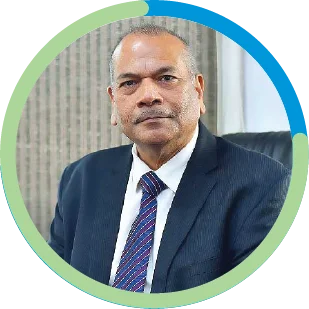
Prof. (Dr.) Vikram Singh
Chancellor
Noida International University
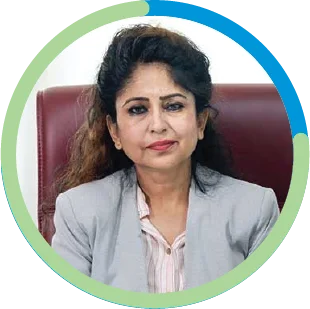
Prof. (Dr.) Uma Bhardwaj
Vice-Chancellor
Noida International University
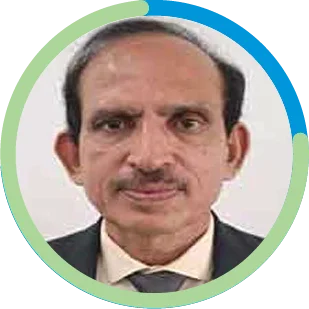
Co-Patron
Dr. Mukesh Parashar
Registrar
Noida International University
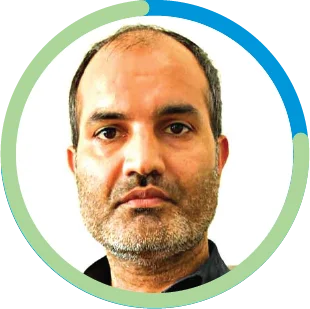
Co-Patron
Prof. (Dr.) Tanveer Ahmed Wani
Dean – Quality Assurance & Accreditations
Noida International University
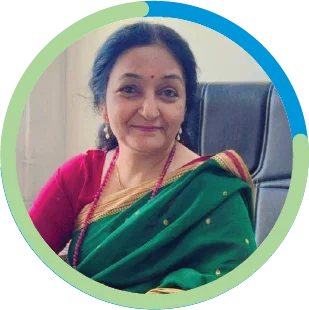
Conference Chair
Prof. (Dr.) Aparna Sharma
Dean, SLA
Noida International University
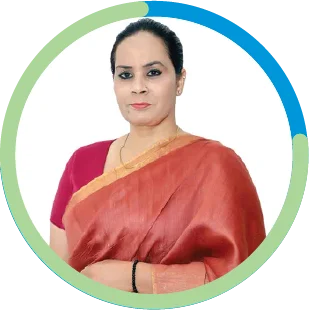
Conference Co-Chair
Prof. (Dr.) Arfa Rajput
Dean, SJMC
Noida International University
Chief Guest
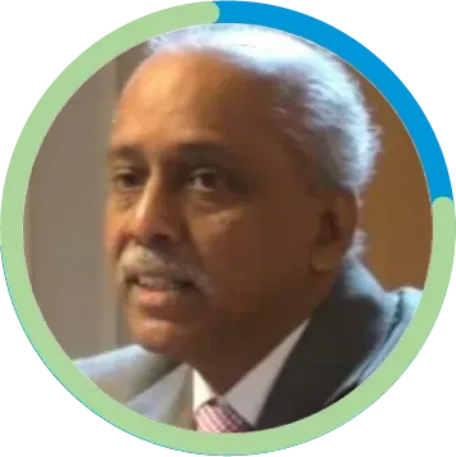
Chairperson
National Human Rights Commission of India
Former Judge, Supreme Court
Guest of Honour
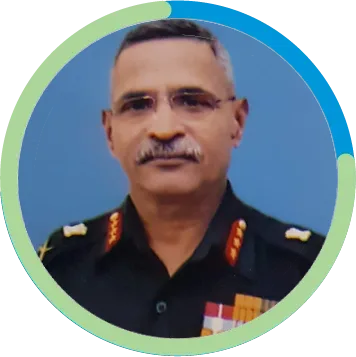
PVSM, AVSM, SC, SM, VSM (Retd), Ex DG INFANTRY, Indian Army
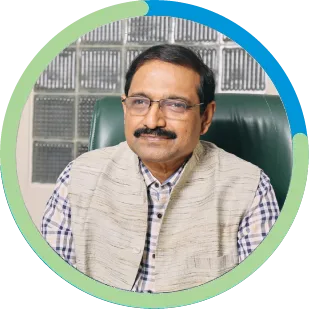
Director, India Habitat Centre
Former Vice Chancellor, MCNUJC, Former DG, IIMC
Keynote Speakers
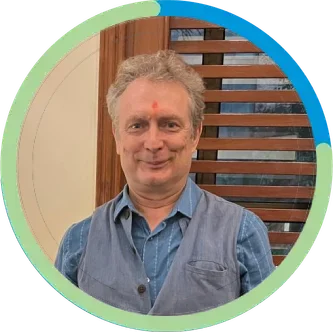
Joint Editor of The Journal of International Issues
Member of the International Committee of the
Vivarium, Spain
Distinguished Fellow, India Foundation
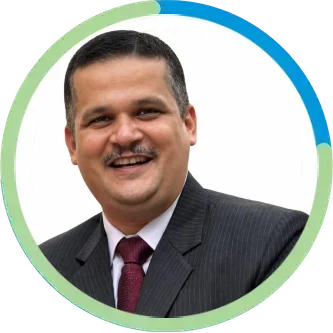
Professor, Department of Geography,
Delhi School of Economics,
University of Delhi
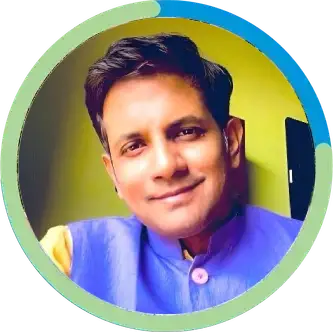
National Spokesperson, BJP
Author and Content Strategist

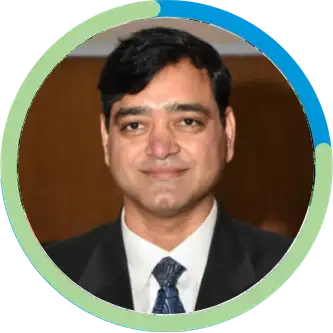
Director, Ministry of Home Affairs,
Government of India,
India

Kyiv National Economic University
Ukraine
Valedictory Guests
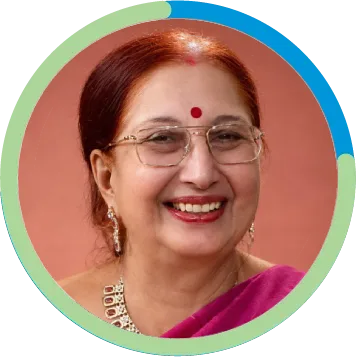
Founder Director,
Performing Arts Therapy, Ravindra Bharti University
Ravindra Bharti University, Kolkata
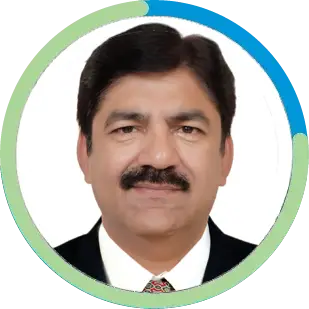
Dean, Management Studies
Maharaja Agrasen Institute of Technology
Rohini, Delhi
Editors
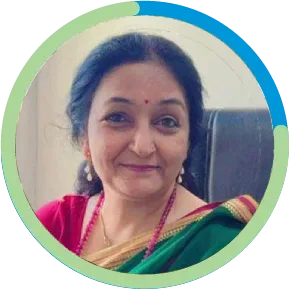
Prof. (Dr.) Aparna Sharma
Dean, School of Liberal Arts
Noida International University,
Greater Noida
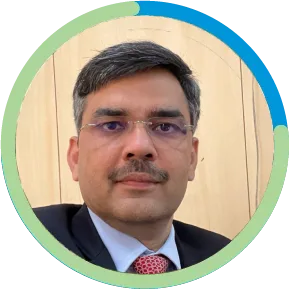
Prof. (Dr.) Anil Sehrawat
Deputy Director, AICC
Amity University Noida,
Utter Pradesh
Conference Conveners
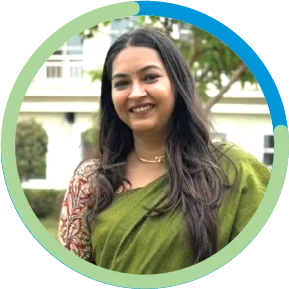
Dr. Sangeeta Mishra
Assistant Professor
Dept. of English, SLA
Contact – 7530804608
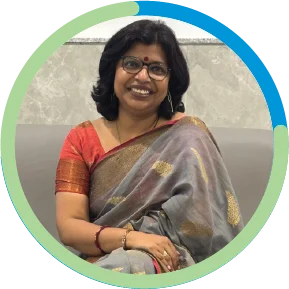
Dr. Amrita Singh
Assistant Professor
Dept. of English, SLA
Contact – 9350413908
Organising Secretary
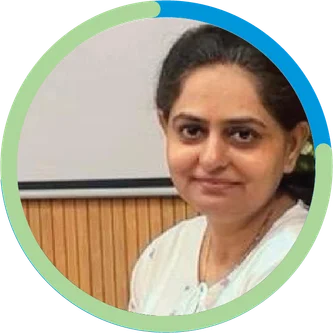
Dr. Sudesh Sangwan
(Hospitality & Management)
Assistant Professor
Dept. of English, SLA
Conference Co-Conveners
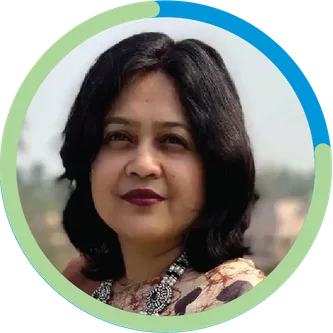
Dr. Soumi Banerjee
(Editorial & Review)
Assistant Professor
Dept. of English, SLA
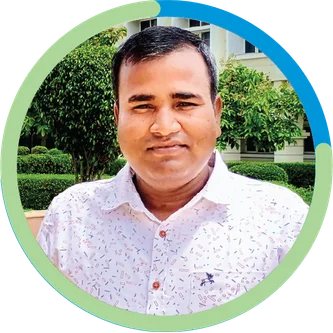
Dr. Devi Prasad
(Funding & Finance)
Assistant Professor
Dept. of Sociology, SLA
Dr. Shraddhesh Tiwari
(Marketing & Discipline)
Assistant Professor
Dept. of Psychology, SLA
Dr. Arijit Ghosh
(Plagiarism)
Assistant Professor
Dept. of Geography, SLA
Dr. Syed Fahar Ali
(Technical)
Associate Professor
SJMC
Ethical Committee Members
The ‘Multidisciplinary Approach to Humanities and Social Sciences’ takes ethical misconduct seriously and has established procedures to address such issues. If unethical behaviour is suspected, the editorial board will investigate the matter thoroughly. If misconduct is confirmed, appropriate actions will be taken, which may include the rejection of the manuscript, notifying the authors’ institutions, and banning the authors from future participation in the conference. All investigations and actions will be conducted in accordance with the principles of fairness, confidentiality, and transparency.
Prof. (Dr.) Aparna Sharma
Dean, School of Liberal Arts
Noida International University,
Greater Noida
Prof. (Dr.) Anil Sehrawat
Dy. Director, Amity Institute of Corporate Communication
Amity University Noida,
Utter Pradesh
Prof. (Dr.) Aarfa Rajput
Dean, School of Journalism & Mass Communication
Noida International University,
Greater Noida
Wasino Wasino
Post Graduate School,
Universitas Negeri Semarang, Indonesia.
Chief Editor, Paramita: Historical Studies Journal
Conference Sub-Committees
Coordination Committee
- Dr. Manju Kundu (Head)
- Dr. Devi Prasad
- Dr. Vinod Kumar Singh
- Mr. Shambhu Kumar
- Mr. Gaurav Parashar
- Dr. Ajay Tiwari
- Mr. Sachin Kumar Suman
- Ms. Saloni Goel
- Mr. Adarsh Mishra
Funding & Finance Committee
- Dr. Devi Prasad (Head)
- Dr. Manju Kundu
- Mr. Sachin Kumar Suman
- Mr. Adarsh Mishra
Editorial/Review Committee
- Dr. Soumi Banerjee (Head)
- Dr. Quaisar Alam
- Dr. Rachna Davi
- Dr. Syed Fahar Ali
- Dr. Adarsh Kumar
- Dr. Yogita Sharma
- Dr. Nancy Puri
- Dr. Devi Prasad
- Dr. Poonam Kumari
- Dr. Arijit Ghosh
- Dr. Ajay Tiwari
- Dr. Vinod Kumar Singh
- Ms. Shivangi Khandelwal
- Dr. Jyotsana Mishra
- Dr. Swati Srivastava
Plagiarism & AI Committee
- Dr. Arijit Ghosh (Head)
- Dr. Jyotsana Mishra
- Dr. Ajay Tiwari
- Dr. Henna Dembla
Technical Committee
- Dr. Syed Fahar Ali (Head)
- Dr. Yogita Sharma
- Dr. Ambar Pandey
- Mr. Gaurav Parashar
- Mr. Shambhu Kumar
Registration Committee
- Dr. Yogita Sharma (Head)
- Dr. Nancy Puri
- Mr. Sachin Kumar Suman
- Mr. Adarsh Mishra
Discipline Committee
- Dr. Shraddhesh Tiwari (Head)
- Dr. Vinod Kumar Singh
- Dr. Nancy Puri
- Mr. Jay Prakash Vishwakarma
Certificate Committee
- Dr. Rachna Davi (Head)
- Dr. Naima Umar
- Mr. Raghunath Singh
- Dr. Soumi Banerjee
- Dr. Poonam Kumari
- Dr. Jyotsana Mishra
Logistic and Hospitality Committee
- Dr. Sudesh Sangwan (Head)
- Dr. Poonam Kumari
- Dr. Ajay Tiwari
- Dr. Hena Dembla
- Mr. Jay Prakash Vishwakarma
- Mr. Sachin Kumar Suman
- Mr. Adarsh Mishra
External Reviewers
Prof. (Dr.) Veenus Jain
Professor, Centre of Studies in Jainism,
Somaiya Vidyavihar University, Mumbai
Prof.(Dr.)Ritesh Bhardwaj
Shyam Lal College(Evening),
University of Delhi, Delhi
Prof. (Dr.) Shikha Srivastava
Applied Psychology,
School of Liberal Education,
Galgotias University
Dr Yajnaseni Mukherjee
Academic Success Specialist
Woolf Inc.
San Francisco, California, USA
Dr. Ankita Shukla
Associate Professor
Amity Institute of Advanced Legal Studies,
Amity University Noida
Uttar Pradesh
Prof. Saira Mehnaj
Chairmen Community Medicine
AMU
Dr. Vishal Gupta
Associate Professor & Head, Geography
Siddharth University
Uttar Pradesh
Dr. Baishali Mitra
Academician, Strategic, Corporate & Business Communication
Ahmedabad, India
Dr. Sanjana Sharma Marwaha
Associate Professor, Sociology,
Amity Institute of Social Sciences,
Amity University Uttar Pradesh
Prof. (Dr.) Arun Kumar Singh
Professor ICFAI Law School,
Director IQAC The ICFAI University
Dehradun Uttarakhand
Prof.(Dr.) Yeliena Prokhorova
Kyiv National Economic University, Ukraine
Dr. Shipra Sharma
Assistant professor
Gautam Buddha University
Dr. Shrutee Kanwar
Assistant professor
Gautam Buddha University
Dr Nisha Misra
Amity Institute of Corporate Communication
Amity University
Uttar Pradesh
Dr. Prasanta Moharaj
Assistant Professor of Sociology
Bennett University
…. & Others
Advisory Board
Prof.(Dr.) Ravindra Kumar Sharma
Convenor UGC Committee
Ministry of. Education
Prof.(Dr.) Yeliena Prokhorova
Kyiv National Economic University,
Ukraine
Prof. (Dr.) Jagdish Kumar Pundir
Professor of Sociology
Ex Pro Vice Chancellor
C.C.S. University, Meerut (U.P.)
Prof.(Dr.) Lalit Garg
University of Malta, Malta
Honorary lecturer at the University of Liverpool
United Kingdom (UK)
Prof. (Dr. )Abdulrahman P. Vijapur
Emeritus Professor of Political Science
University of Science and Technology, Meghalaya
Dr. Manju Jaidka
Former Professor and Chair, Department of English, Punjab University
Dr. Dinesh Dadhichi
Professor (Retd.) and Former Chairman., Department of English,
Kurukshetra University
Retd. Prof.(Dr.) Ashok Shastri
Head of Managing Committee,
MV PG College
Haridwar, Uttarakhand
Prof. (Dr.) Ratneshwar Mishra
(Retd.)Professor & Head
Department of History
LNMU, Darbhanga
Dr. Raj Singh
Vice Chancellor
Bennett University UP
Dr. Devesh Sharma (Retd.)
NAS PG College Meerut
Prof.(Dr.) Sanjay Swarnkar
Academic Secretary, Department of History,
Govt. K.R.G.P.G. (Auto) College, Gwalior (M.P.)
Prof. (Dr.) Halina Marlewicz
Ph.D., Institute of Oriental Studies JU,
Head of Department of Languages and Cultures of India and South Asia
Mickiewicza, Kraków, Poland