School Of Liberal Arts

Year 2011 marked the beginning of, the School of Liberal Arts at Noida International University. Liberal Arts explore various aspects of human society. It works for the creation and proliferation of philosophy of life skills, critical thinking, imagination, creativity, aesthetics, and pragmatic analysis of life. ย It helps the students in exploring and viewing the world with a different perspective and prepares them to become better individuals and professionals. The school aims at providing novel experiences to students through activities like โ€“ Seminars, Workshops, Guest lectures, Mediaย  sessions, Expert talks etc. to name a few.

School of Liberal Arts is a vivacious academic community in terms of teaching, extension activities, and research. There are faculties from diverse backgrounds in social sciences to cater to the various academic needs of the students. There are regular interactions with the industry, NGOs, and government agencies in order to help students gain an understanding of the actual work challenges.

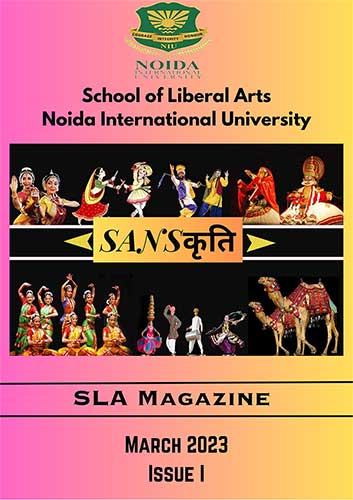
Magazine

Dean's Message:

In a world that is heading towards materialism, we, the people of liberal studies, try to make it more humanitarian and philosophical. Youโ€™ll discover, as a student of the liberal arts, a whole new way of looking at the world with a passion to work for sustainable prosperity. A Liberal Arts degree encourages critical thinking, originality, and creativity, all of which are sought after, by employers. Because of their rarity, employers want to hang on to the creative initiatives and problem-solving talents of emerging social scientists. Values never go out of style; a liberal arts degree is becoming increasingly useful to employers even though more and more jobs are being shelled out by technology. Such exclusive talents that liberal arts serve cannot be showcased by machines.

We offer multidisciplinary education to prepare administrators, academicians, pioneers, artists, etc., to meet the requirements of the modern world. Our aim is to prepare students to face real-world challenges in a pragmatic and sensible manner.

Key Highlights of School:

  • School of Liberal Arts, Noida International University publishes annually a UGC CARE Listed Journal โ€“ โ€œNIU International Journal of Human Rights.”
  • The school provides counselling sessions to help students.
  • The School also has student clubs to furnish to the academic and cultural creativity of students.
  • All offered courses are structured in a real-world-oriented style and provide a window into the future, in keeping an update with the globalized contemporary social needs, very soon it will implement NEP 2020.
  • SLA strives to ignite intellectual curiosity and a passion for lifelong learning.
  • The School of Liberal Arts has eight disciplines and offers Graduate, Post Graduate & PhD. degrees in all disciplines.

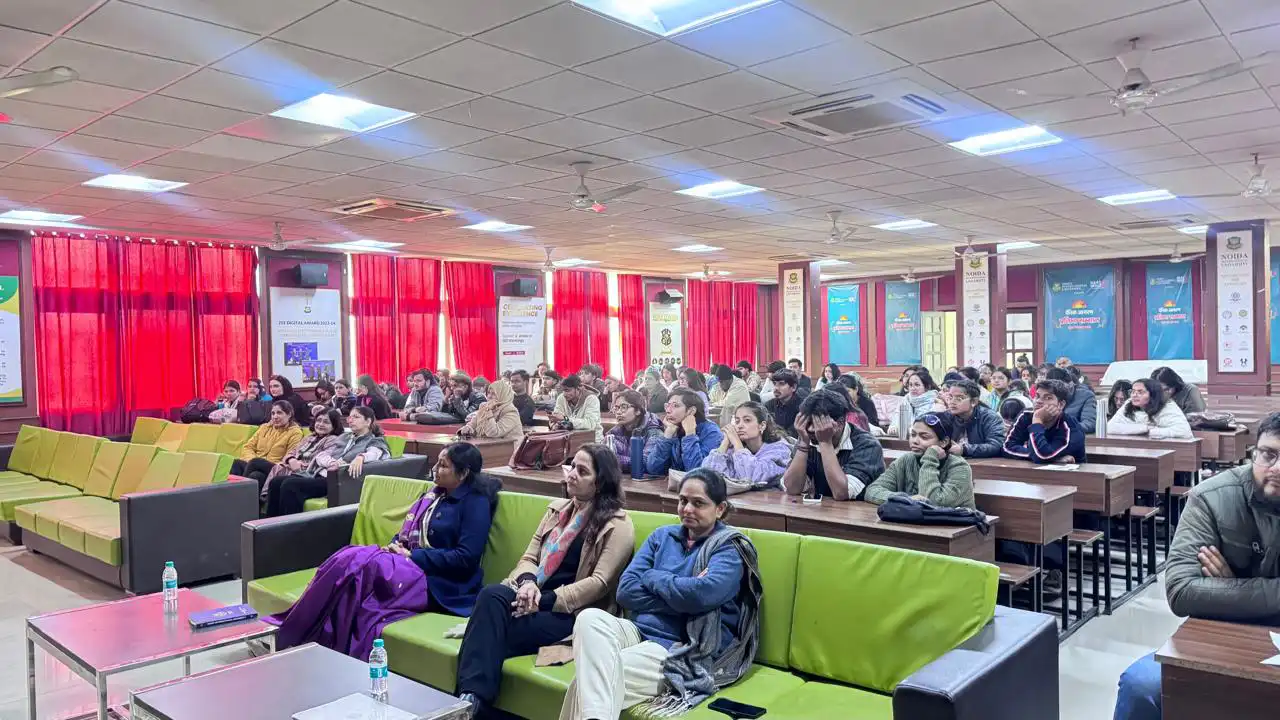
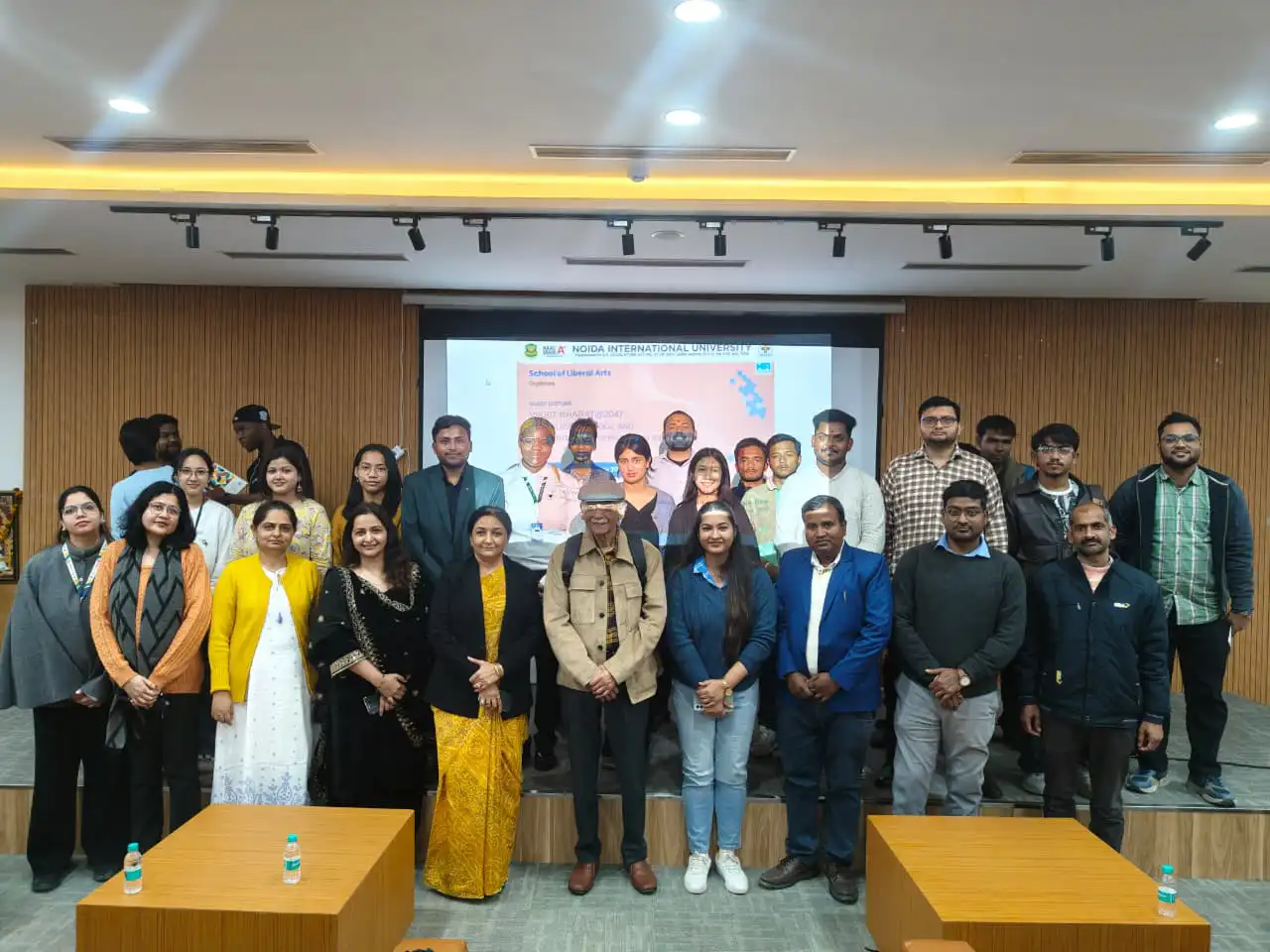
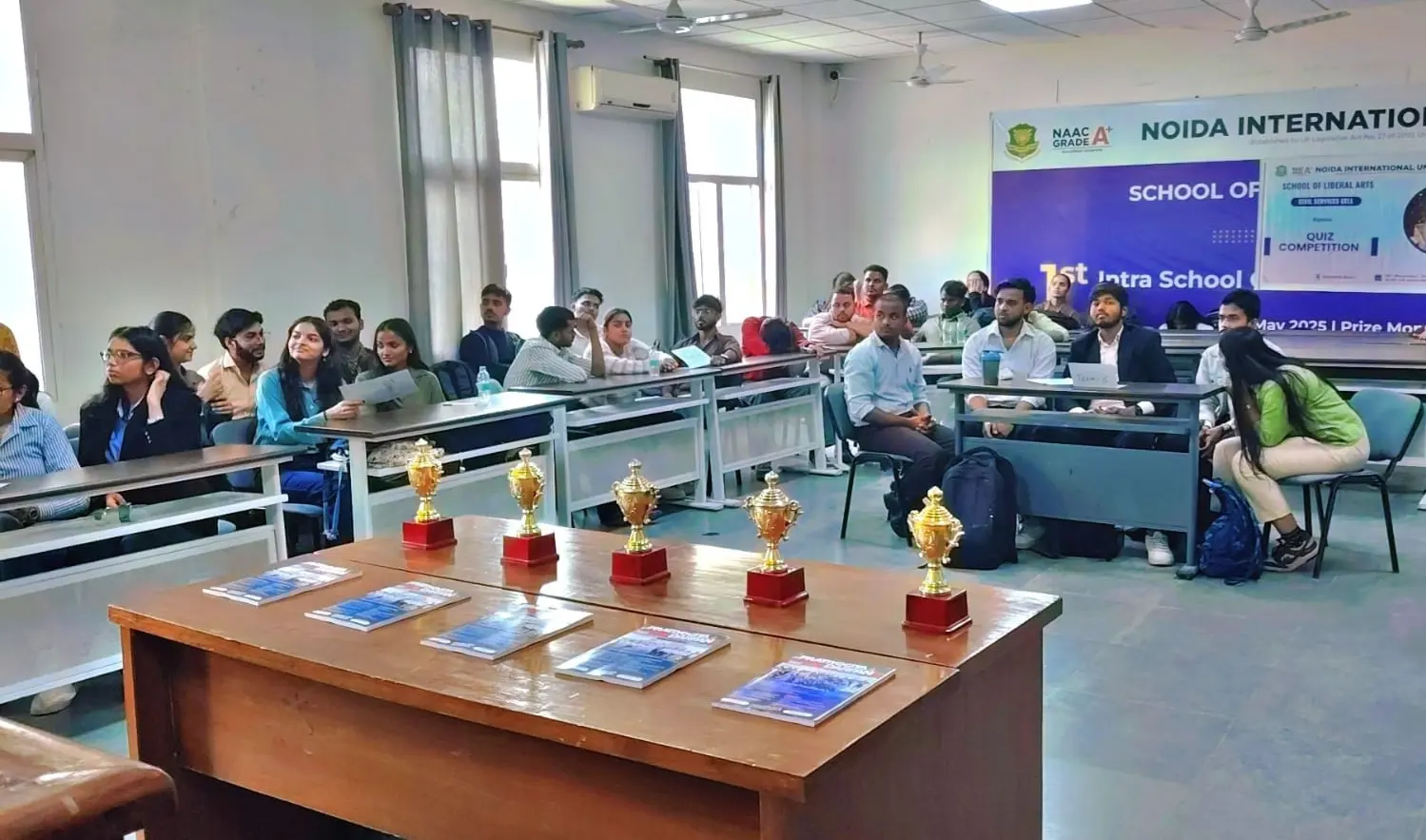
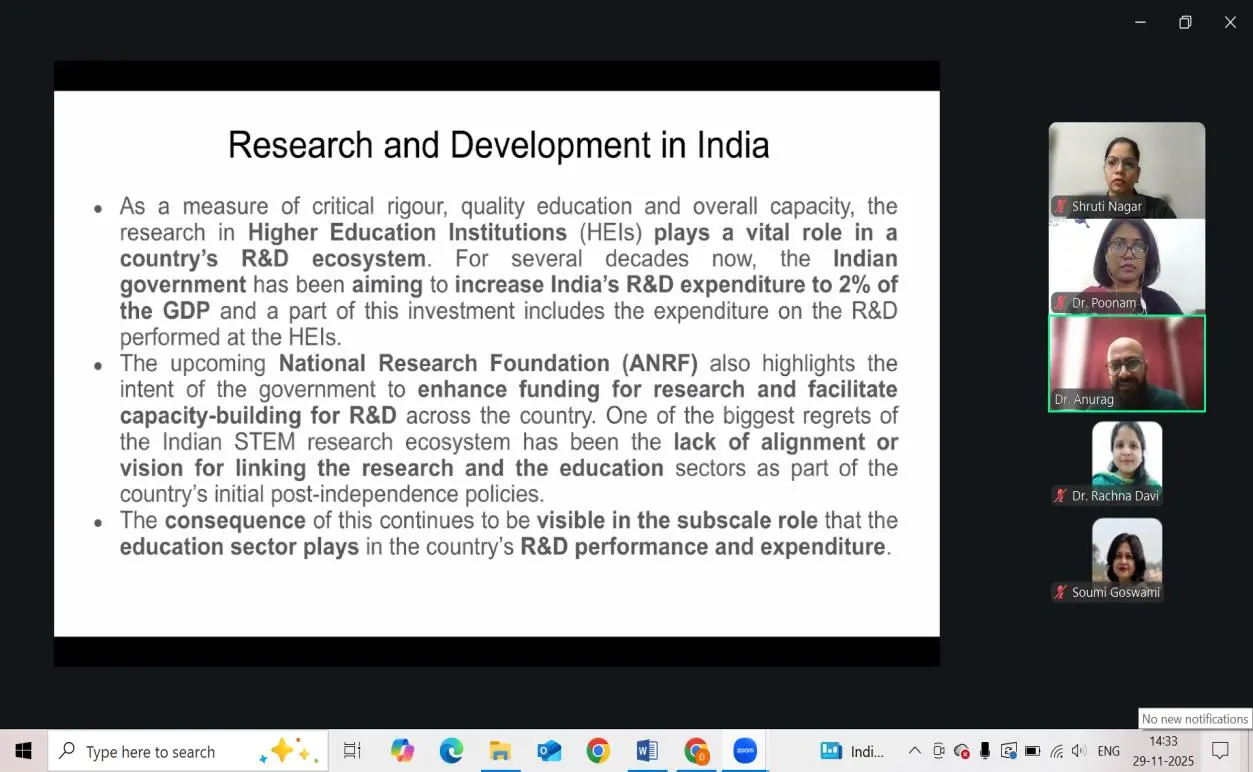
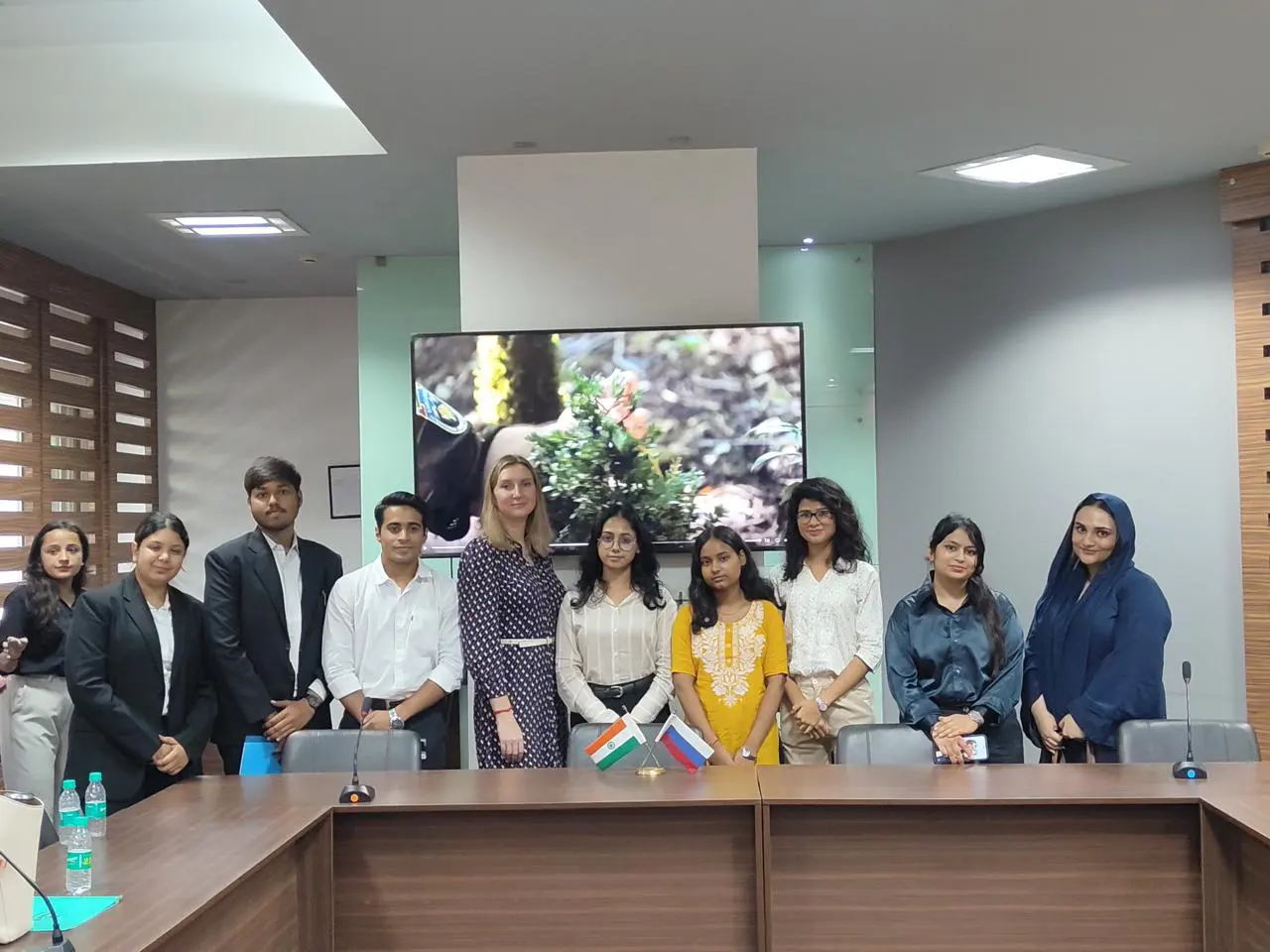
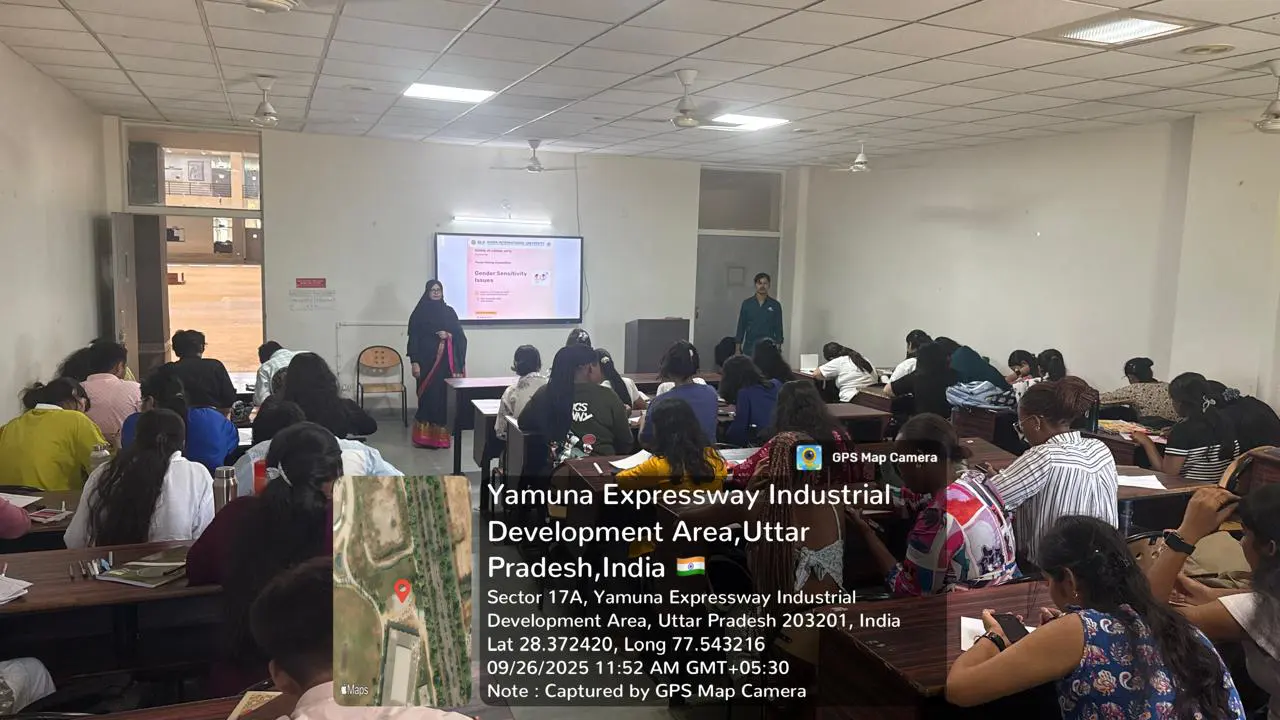
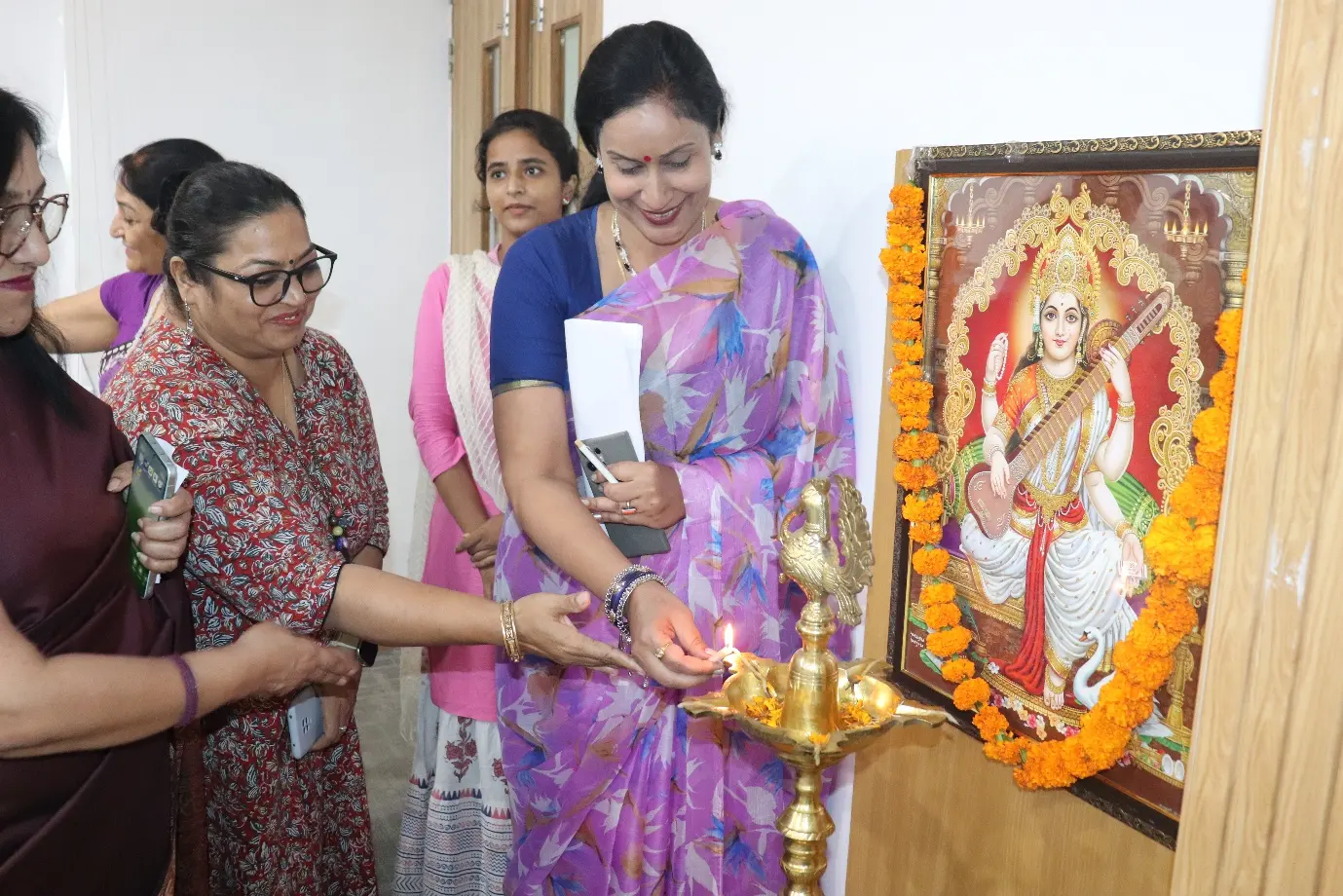
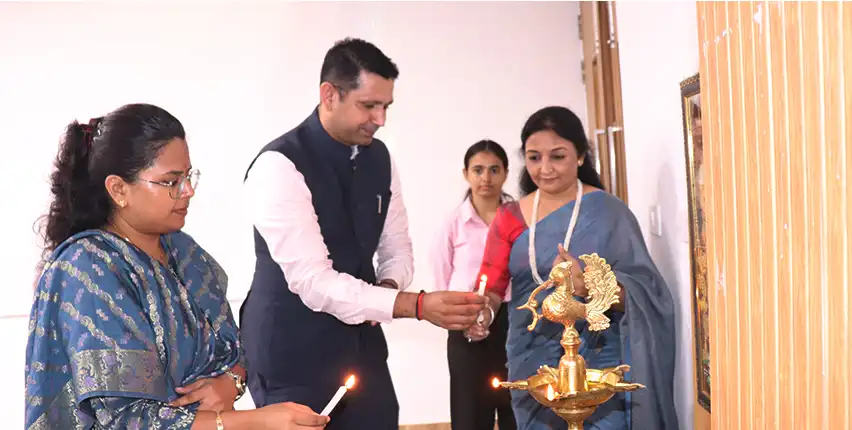
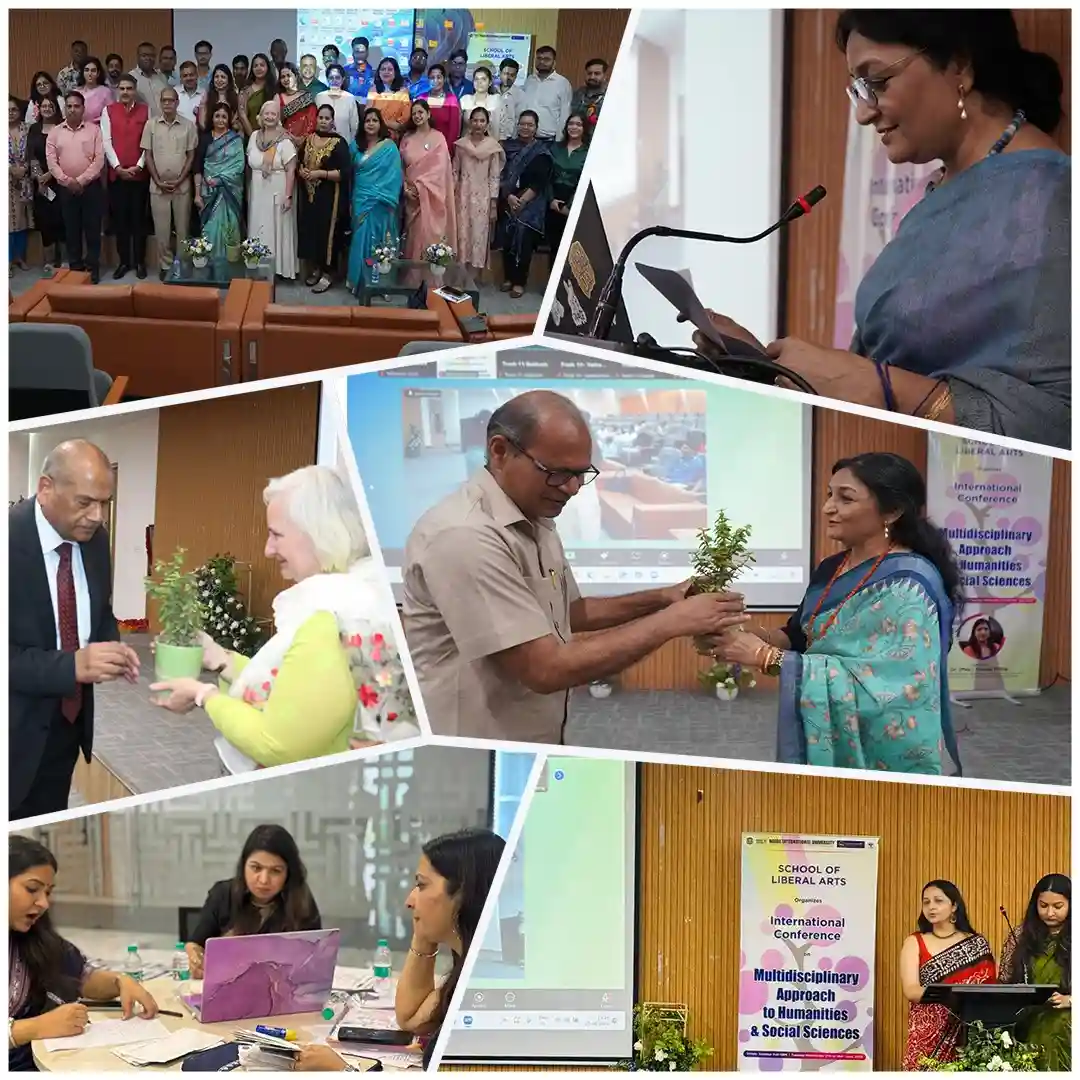
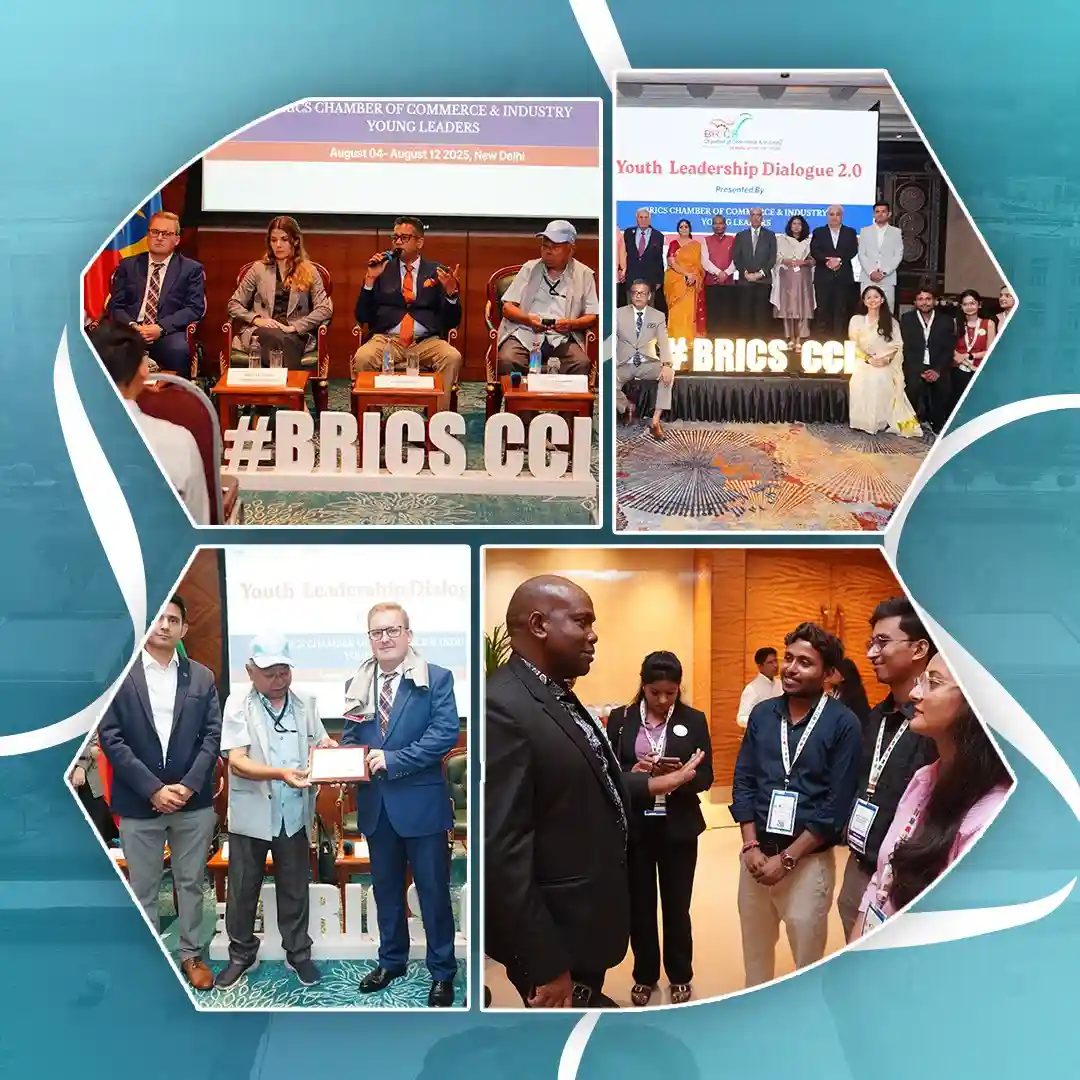
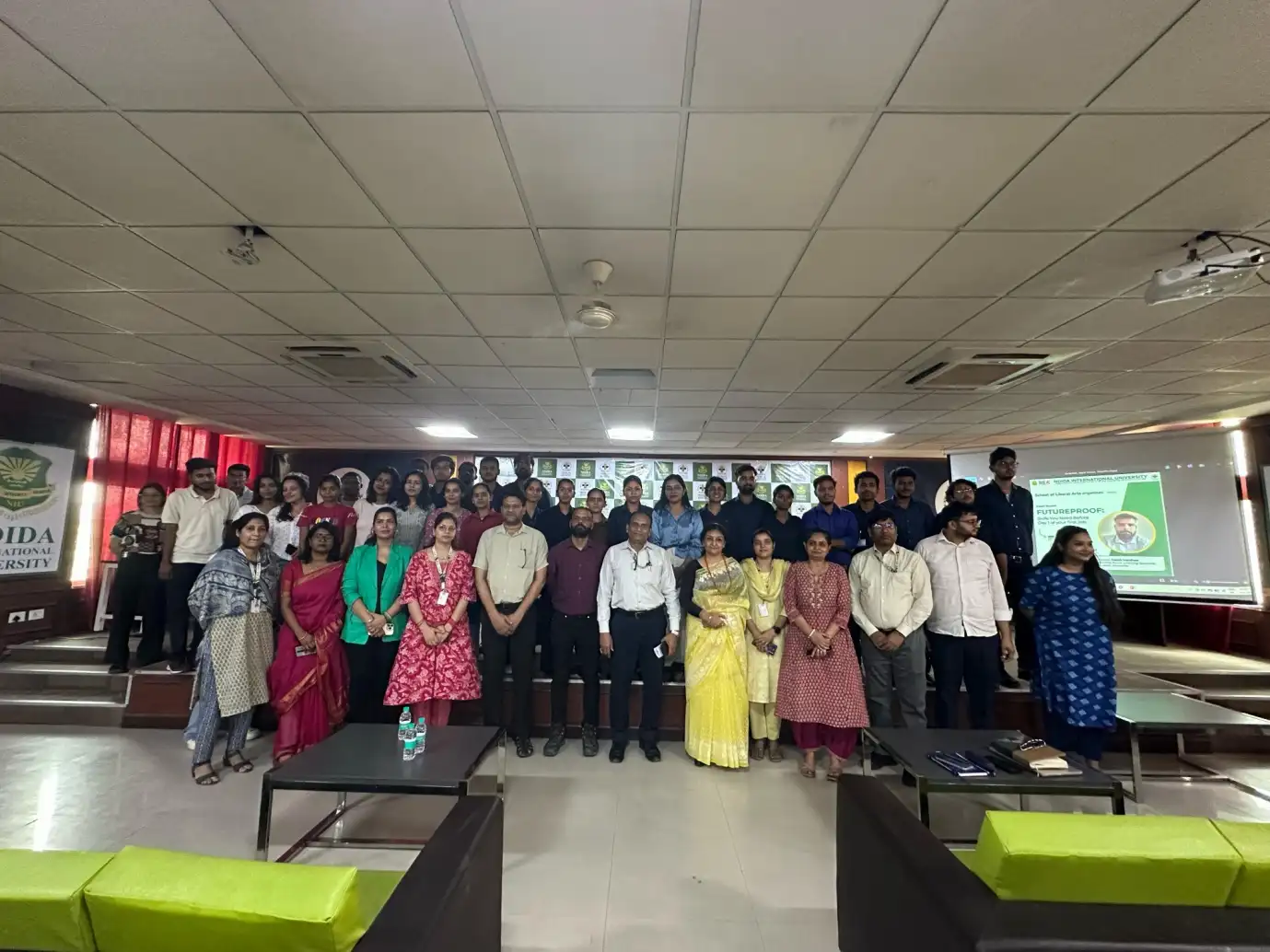
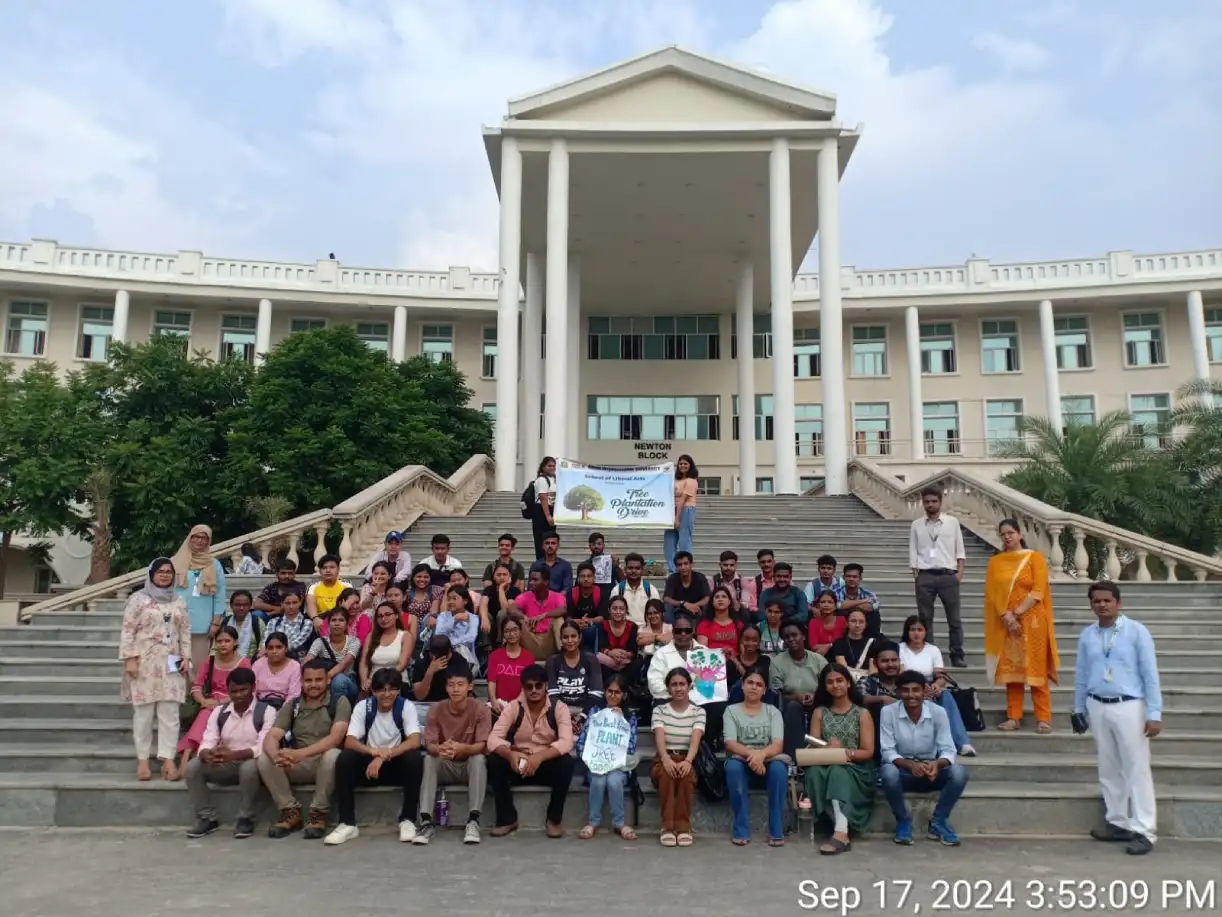
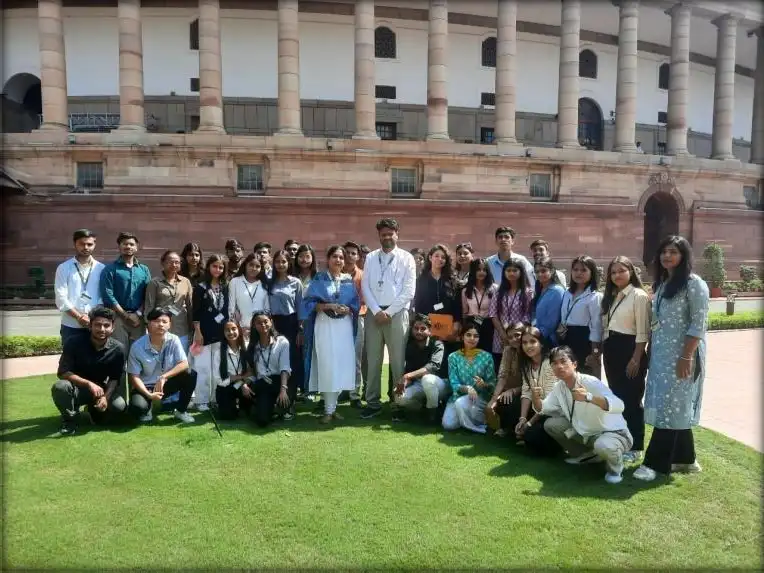
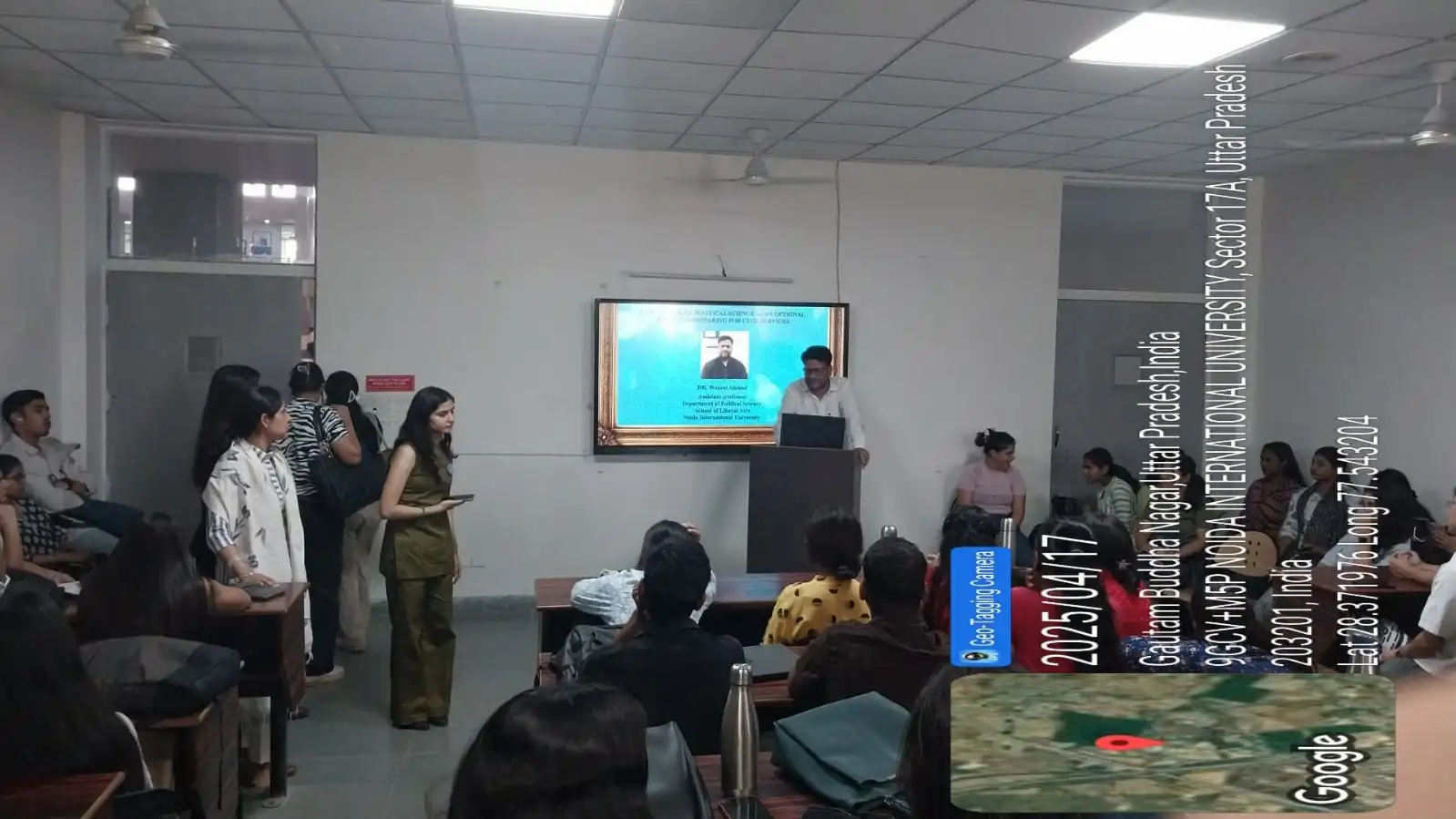
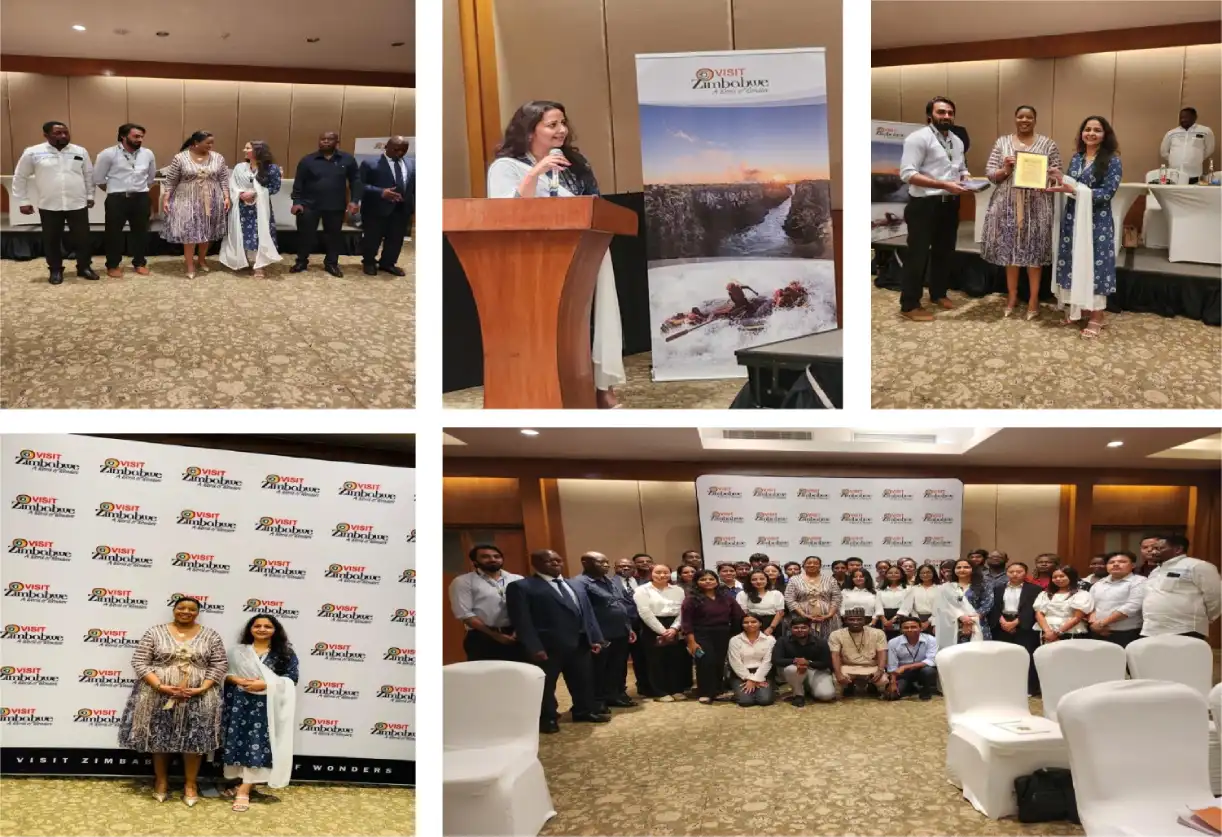
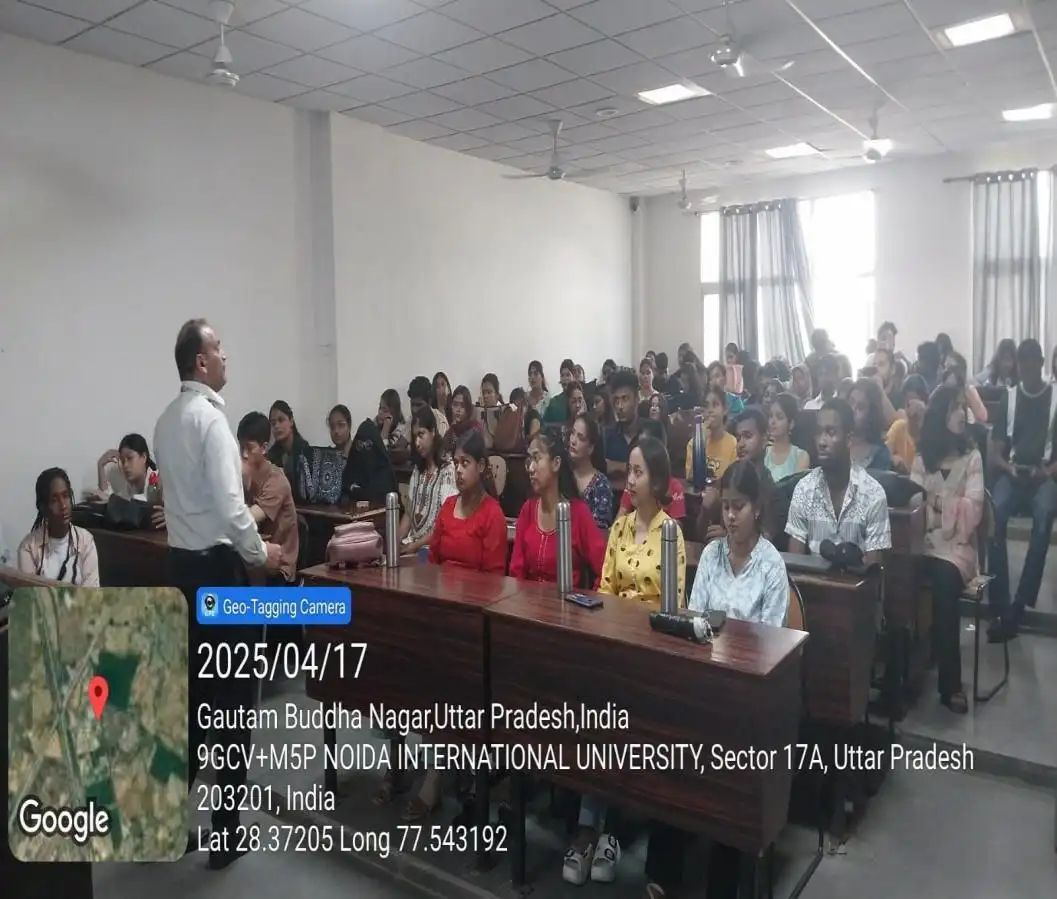
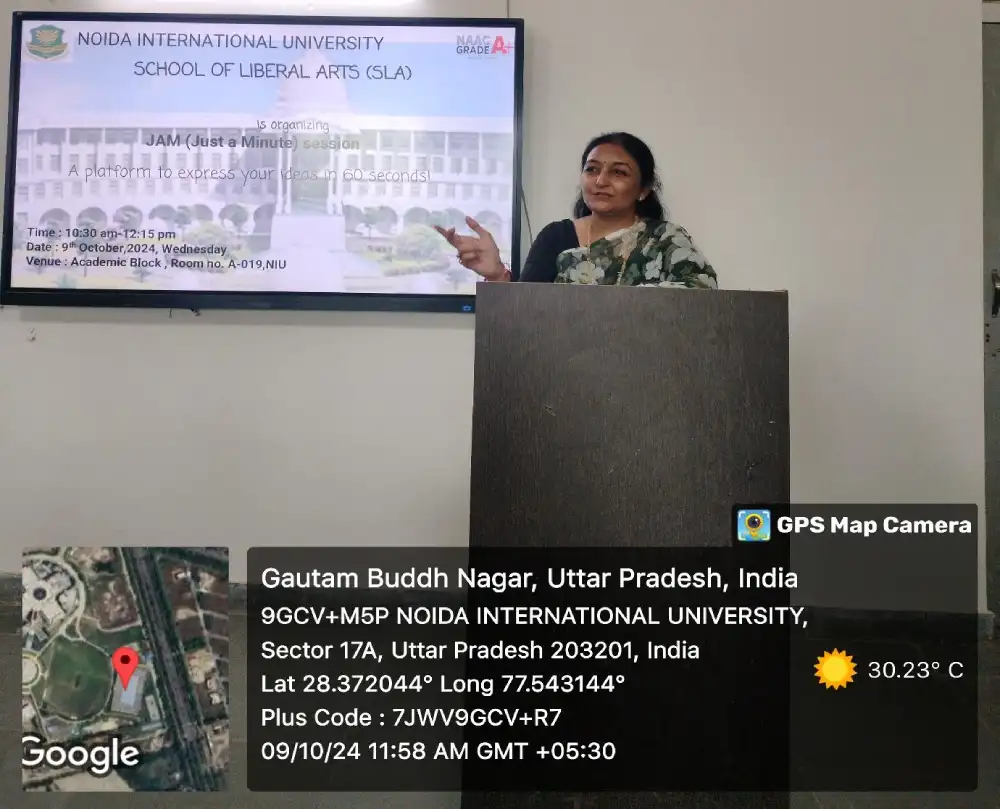
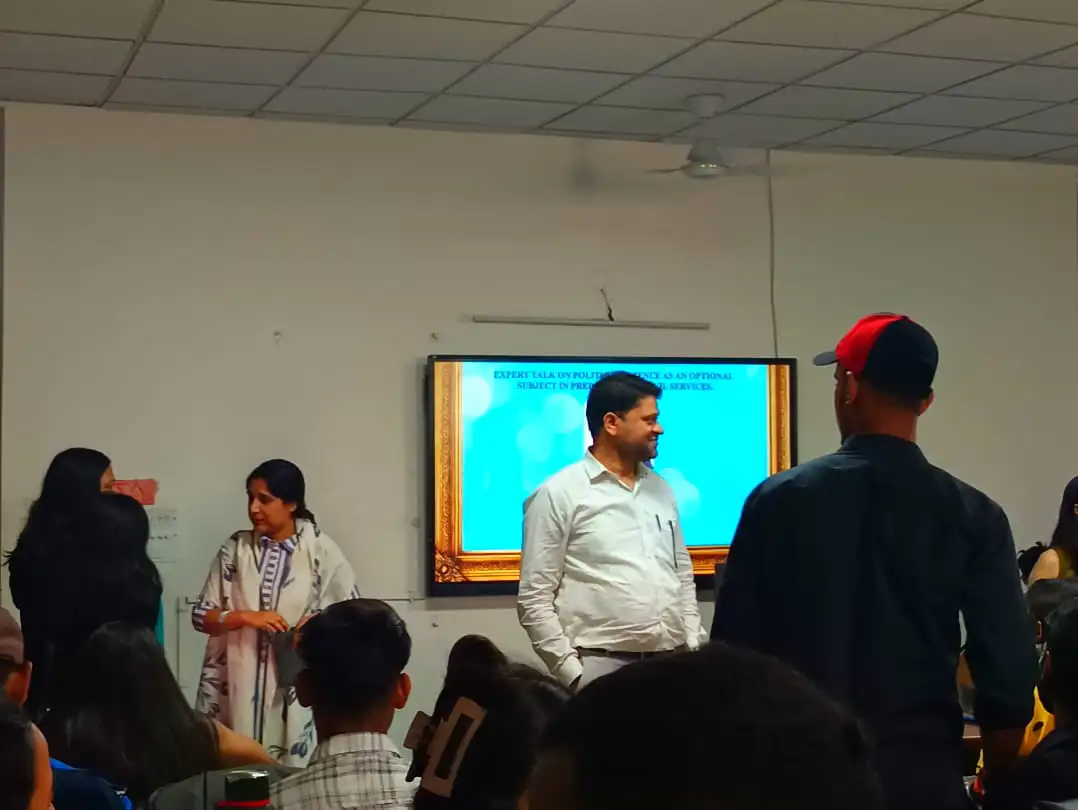
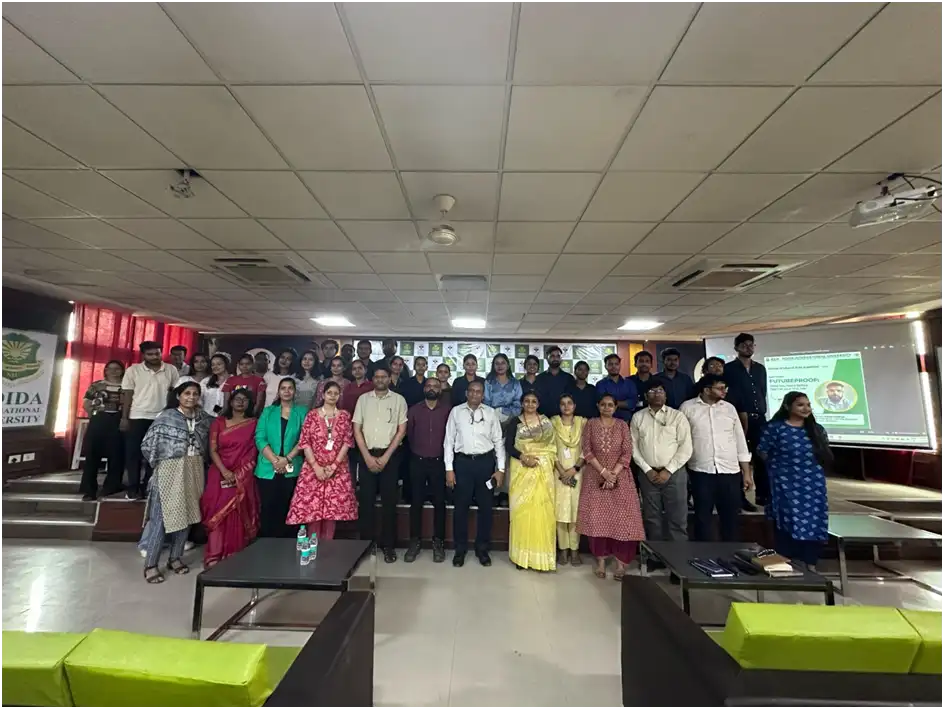
Our Gallery

Programmes Offered

Full Course Name Duration Total Fee Enquire Now
UNDERGRADUATE PROGRAMMES
Bachelor of Arts (Hons) English 3/4 Years โ‚น2,67,200 Enquire Now
Bachelor of Arts (Hons) Geography 3/4 Years โ‚น2,67,200 Enquire Now
Bachelor of Arts (Hons) International Relation 3/4 Years โ‚น2,67,200 Enquire Now
Bachelor of Arts (Hons) Political Science 3/4 Years โ‚น2,67,200 Enquire Now
Bachelor of Arts (Hons) Psychology 3/4 Years โ‚น2,67,200 Enquire Now
Bachelor of Arts (Hons) Sociology 3/4 Years โ‚น2,67,200 Enquire Now
POSTGRADUATE PROGRAMMES
Master of Arts (English) 2 Years โ‚น1,09,300 Enquire Now
Master of Arts (Geography) 2 Years โ‚น1,09,300 Enquire Now
Master of Arts (International Relation) 2 Years โ‚น1,09,300 Enquire Now
Master of Arts (Psychology) 2 Years โ‚น1,09,300 Enquire Now

Scope

USP of the Subjects Taught in School of Liberal Arts

A vivacious academic community bringing together diverse voices in the social sciences — where regular interaction with industry, NGOs and government agencies prepares students for the real world of work.

School of Liberal Arts is a vivacious academic community in terms of teaching, extension activities, and research. There are faculties from diverse backgrounds in social sciences to cater to the various academic needs of the students. There are regular interactions with the industry, NGOs, and government agencies in order to help students gain an understanding of the actual work challenges.

Programmes

Explore Every Subject We Teach

Six honours programmes, each built around industry relevance, research exposure and career readiness.

01 · Honours

English Honours

A degree in English Literature offers various career options, including roles in creative, academic, public, private, business and many other domains.

Graduates in English Literature can pursue careers in academia, potentially becoming professors or lecturers. They also have the option to teach in schools or work as tutors, making teaching a reliable career choice. Coaching centres frequently seek English graduates, especially those who can teach grammar for competitive exams. Public relations — a need of every public and private organisation — involves writing press articles and releases, seeking PR opportunities, and planning campaigns, where an English graduate is easily accommodated. The advanced communication skills built during the degree are equally valuable in marketing and advertising, content writing and blogging, and digital & social media marketing, letting graduates write on subjects they are passionate about — from fashion and technology to animals and academics. English graduates and postgraduates are also eligible for competitive examinations such as Bank PO and State & Central Civil Services. Thus, English Studies is a vast field which provides opportunities in abundance to its graduate, masters and research students.

Career Opportunities

Academia & Teaching
Journalism & Media
Public Relations
Marketing & Advertising
Content Writing & Blogging
Digital & Social Media
Civil Services
Creative & Performing Arts

USP of the Programme

Syllabus aligned with competitive exams like UGC-NET, GATE and Civil Services

Mandatory final-semester research project that builds research skills

Opportunity to contribute to organising conferences of repute

Content creation experience via Student's Magazine and journals

02 · Honours

Sociology Honours

There are three main areas of employment for a sociologist: teaching, research, and project work or museums.

Research jobs are available with organisations like the Archaeological Survey of India and the Planning Commission, as well as international bodies like UNESCO and UNICEF. A well-trained student can work at reputed institutions such as ISI Kolkata, IISc Bangalore and IIAS Shimla as a project manager or research assistant. Beyond teaching in academia, students go on to analyse policy and research as an RA or project manager for NGOs and research institutes; well-known destinations include TISS, ICSSR, ISI and ASI, along with WHO and NSSO. Graduates can also take on human resources roles, using problem-solving skills to mediate conflicts, or work as market research analysts testing commodities and evaluating marketing campaigns. Independent journalism and work as a media expert on social issues are also live options for a student with a strong grip on ground social realities.

Career Opportunities

Teaching & Academia
Research
Museums & Institutes
Policy Analysis
NGOs
Human Resources
Market Research
Journalism
Media Expert

USP of the Programme

Syllabus aligned with competitive exams like UGC-NET, GATE and Civil Services

Mandatory final-semester project that enhances research skills

Opportunity to organise programmes under the Civil Services Cell

Content creation via Student's Magazine, NIU Journal of Human Rights & NIU Journal of Social Science

03 · Honours

Political Science Honours

This programme prepares students for government jobs and careers across international organisations, policy analysis and political consultancy, in various agencies of the state and the media.

The programme also lays a strong foundation for research in higher education, including PhD study. Students learn to apply qualitative and quantitative methods — interviews, data collection, questionnaire design and construction of research tools — that sharpen their understanding of the world around them. At the global level, where the traditional model of the state as the primary actor now sits alongside a globalised world of MNCs, TNCs and international organisations, the discipline has matured from a focus on institutions to one blending behavioural and institutional analysis among political scientists.

Career Opportunities

Government Jobs
International Organisations
Policy Analyst
Political Consultant
Media
Higher Education & PhD

USP of the Programme

Syllabus aligned with competitive exams like UGC-NET, GATE and Civil Services

Mandatory final-semester project that enhances research skills

Opportunity to organise programmes under the Civil Services Cell and MUN

Content creation via Student's Magazine, NIU Journal of Human Rights & NIU Journal of Social Science

04 · Honours

International Relations

B.A. International Relations (Hons) gives students a broad understanding of the core concepts and theories of international relations, including major actors, power dynamics and historical context.

The programme develops core skills — sharpening critical thinking, research, writing and communication for international affairs. Through global issues exploration, students analyse contemporary challenges such as conflict resolution, human rights, international trade and environmental change, alongside an introductory overview of political, economic and social issues in key world regions. In the final stretch, advanced specialisation lets students go deep into a specific area — security studies, international political economy, or global governance — and build toward careers in those fields.

Career Opportunities

Diplomacy & Foreign Service
International Organisations
Security Studies
Political Economy
Global Governance
Human Rights Advocacy

USP of the Programme

Syllabus aligned with competitive exams like UGC-NET, GATE and Civil Services

Mandatory final-semester project that enhances research skills

Opportunity to organise programmes under the Civil Services Cell and MUN

Content creation via Student's Magazine, NIU Journal of Human Rights & NIU Journal of Social Science

05 · Honours

Psychology Honours

The scope of Psychology is broad, encompassing a wide range of topics and areas — from the historical foundations of the discipline to its many applied specialisations.

Study of seminal works and key figures behind psychological theory, alongside major frameworks such as psychoanalysis, behaviourism, cognitive psychology, humanistic psychology and evolutionary psychology.
Qualitative and quantitative methods used in psychological studies, including experimental design, surveys, case studies and statistical analysis.
Human growth and development across the lifespan, alongside the diagnosis, treatment and prevention of psychological disorders through psychotherapy, counselling and mental-health intervention.
Mental processes such as perception, memory, language and decision-making, together with how individuals' thoughts, feelings and behaviours are shaped by the presence of others.
The connection between biological processes — brain function, neurotransmitters, genetics — and behaviour, as well as how psychological factors affect physical health, stress and coping.
Application of psychology in the workplace — motivation, job satisfaction and leadership — alongside how people learn and the best practices for teaching and assessment.
What contributes to human flourishing — happiness, resilience and strengths-based approaches — alongside how cultural factors shape behaviour and mental processes across groups.

Career Opportunities

Counsellor
HR Associate
Research Analyst
Social Worker
Special Educator

USP of the Programme

Grounded in understanding human behaviour, counselling basics and research skills, addressing rising mental-health demand

Entry roles include counsellor, HR associate, research analyst, social worker and special educator

Leads to advanced paths like clinical psychology or organisational roles after a postgraduate degree

06 · Honours

Geography Honours

Geography Honours spans spatial analysis, physical and human geography, GIS, planning, sustainability and geopolitics — equipping students to read and shape the world around them.

Examining patterns, relationships and processes across scales of space, alongside the study of natural landscapes, landforms, climate patterns and environmental processes.
Investigating human activities, behaviours and interaction with the environment, and using Geographic Information Systems to collect, analyse and visualise spatial data.
Analysing urban growth, land use, transportation and infrastructure, and assessing the impact of human activity on ecosystems and sustainable resource management.
Understanding political dynamics, boundaries and territorial disputes, and exploring how culture, identity and perception shape spatial relationships and landscapes.
Using satellite imagery and aerial photography to monitor changes on Earth's surface, backed by on-the-ground research to investigate and validate geographic theory.

Career Opportunities

GIS Analyst
Cartographer
Urban / Town Planner
Conservation Officer
Teacher
Research Analyst

USP of the Programme

Differentiated by spatial analysis, GIS expertise and environmental insight, vital for tech-integrated planning roles

Strong pathways into government surveys, climate roles and logistics

Why School of Liberal Arts

What Sets Every Programme Apart

Common threads that run across all six honours programmes in the School.

Competitive Exam Alignment

Every syllabus is mapped against UGC-NET, GATE and Civil Services requirements so students are exam-ready by graduation.

Mandatory Research Project

A final-semester research project is compulsory across programmes, building genuine investigative and analytical skill.

Conference Exposure

Students help organise conferences of repute, gaining first-hand exposure to academic and professional networks.

Student Publications

Regular contribution to the Student's Magazine and NIU's peer journals gives every student a byline before they graduate.

  • The scope of literature studies in psychology is broad and encompasses a range of topics and areas. Here are some key areas typically covered:
  • Historical Foundations: Study of seminal works and key figures in the development of psychological theories and practices.
  • Theoretical Frameworks: Exploration of major psychological theories such as psychoanalysis, behaviorism, cognitive psychology, humanistic psychology, and evolutionary psychology.
  • Research Methodologies: Examination of qualitative and quantitative research methods used in psychological studies, including experimental design, surveys, case studies, and statistical analysis.
  • Developmental Psychology: Literature on human growth and development across the lifespan, including cognitive, emotional, and social development.
  • Clinical Psychology: Studies on the diagnosis, treatment, and prevention of psychological disorders. This includes literature on psychotherapy, counseling techniques, and mental health interventions.
  • Cognitive Psychology: Research on mental processes such as perception, memory, language, problem-solving, and decision-making.
  • Social Psychology: Examination of how individuals' thoughts, feelings, and behaviors are influenced by the presence of others. Topics include social influence, group behavior, attitudes, and stereotypes.
  • Biopsychology: Studies that explore the connection between biological processes and psychological phenomena. This includes literature on brain function, neurotransmitters, and the effects of genetics on behavior.
  • Health Psychology: Research on how psychological factors affect physical health and illness. This includes studies on stress, coping mechanisms, and health behaviors.
  • Industrial-Organizational Psychology: Literature on the application of psychological principles in workplace settings. Topics include employee motivation, job satisfaction, leadership, and organizational behavior.
  • Educational Psychology: Studies on how people learn and the best practices for teaching. This includes research on learning theories, instructional methods, and educational assessment.
  • Positive Psychology: Exploration of the aspects that contribute to human flourishing and well-being. This includes literature on happiness, resilience, and strengths-based approaches.
  • Cross-Cultural Psychology: Examination of how cultural factors influence human behavior and mental processes. This includes comparative studies of different cultural groups.
  • These areas provide a comprehensive understanding of human behavior and mental processes, offering insights into both normal and abnormal functioning.
  • Skills Developed in Psychological Practicals:
  • Critical Thinking: Analyzing and interpreting data, and understanding research findings.Technical Proficiency: Using research tools and software for data collection and analysis. Communication: Writing research reports and presenting findings. Ethical Awareness: Understanding and applying ethical principles in research. Problem-Solving: Designing experiments and troubleshooting issues during research.

A degree in English Literature offers various career options, including roles in creative, academic, public, private, business and many other domains.

  • Graduates in English Literature can pursue careers in academia, potentially becoming Professors or Lecturers. They also have the option to teach in schools or work as tutors. Teaching thus is a reliable career choice for English Literature graduates. Coaching centers frequently seek English discipline degree holders, especially those who can teach grammar for competitive exams.ย 
  • English Literature students have manyย career opportunities in the journalism and media industry. They can have rewarding careers in writing, journalism, and content creation, taking up roles such as journalists, copywriters, editors, or technical writers.
  • In core media or entertainment industry, they can be voice artists, dramatists, dialogue writes, story writers, stage actors and so on.
  • Public Relations (need of all public & private organizations) involves representing a company or client positively to the public. Tasks include writing press articles and releases, seeking suitable PR opportunities, and planning PR campaigns, where an English graduate can be easily accommodated.
  • Marketing field focuses on generating interest in a companyโ€™s products and enhancing brand reach. It requires a mix of creativity, communication skills, and presentation skills. The advanced communication skills developed during an undergraduate degree in English Literature are particularly beneficial for careers in marketing and advertising.ย 
  • Talent for writing (a feature of English studies curriculum) in a relatable manner, consider a career in content writing or blogging. This path allows one to write on topics one is passionate about, be it fashion, technology, animals, or academics and much more.
  • In todayโ€™s digital era, Digital and Social Media Marketing are thriving. English graduates can leverage their creativity and communication skills to craft engaging campaigns and strategies for digital and social media marketing.ย 
  • English graduates and postgraduates are eligible to make their destiny in various competitive examinations like, Bank PO, State & Central Civil Services, Armed forces etc.
  • Thus, English Studies is a vast field which provides opportunities in abundance, to its graduate, masters and research students.

  • This programme will help students regarding governmentโ€™s jobs and giving an opportunity to make their career at various platforms such as international organisations, policy analysts, and political consultant, in different agencies of the state, the media. The programme will provide as a foundation for research in higher education like PhD programmes.
  • Political Science is one of the disciplines among social sciences which deal with the study of state and its role in domestic and international context. This course is an introduction to politics in the globalized world where there are two significant method of reasoning the discipline like political science tries to enhance understanding and explaining cross-country differences and cross-time differences between countries.
  • Having completed the course students will be able to explain or how to use specific qualitative and quantitative methods in political science more specifically interviews, data collection, questionnaire and construction of a different techniques and tools which will enhance their skills to understand the nature of the world around them.
  • At the global level of politics where the traditional models like states were the important actors and in the present globalized world in which globalization paradigm is dominating global politics although, states are still significant actors but there are others MNCs or TNCs and international organization emerged as an important actors. In the contemporary world, issues terrorism, environment or climate change, disarmament, and relations among nations are analysed.
  • As the result of the interaction among political actors such as political leaders, judges, institutions, political parties and citizens or voters etc there are some political outcomes, students should be able to assess these outcomes such as status of economy, education, health and the most important in democratic countries is the satisfaction with the democracy itself.
  • As discipline like political science advances with the passage of time, in contemporary context, the discipline meets the full circle focused from institutions to behavioural aspects to a combination of behaviour and institutions come again in political analysis among political scientists.
  • Political Science gives an opportunity to those who opted as a subject for UPSC aspirants and UGC-NET for the purpose of becoming teacher/professor at school/university levels respectively.
  • Political Science can be studied in interdisciplinary framework.

  • Foundational Knowledge:With the course of B.A. International Relations (Hons) Students will be able to gain a broad understanding of the core concepts and theories in international relations, including major actors, power dynamics, and historical context.
  • Developing Core Skills:It provide to learn and develop about the sharpen critical thinking, research, writing, and communication skills applicable to international affairs.
  • Global Issues Exploration:Students can analyze contemporary global issues like conflict resolution, human rights, international trade, and environmental challenges.
  • Introduction to Regional Studies:Students will be able to receive an introductory overview of political, economic, and social issues in specific key regions of the world.
  • Preparation for Further Studies:Students can bring to build a strong foundation for pursuing an M.A. in International Relations or other further studies/related fields.
  • Advanced Specialization:ย Students will be able to get deep knowledge in a specific area of international relations, like security studies, international political economy, or global governance and get jobs in such fields.
  • Research and Methodology Focus:ย Most of students must have the focus to be part of research activities. They develop advanced research and analytical skills through projects and master's dissertation.
  • Potential for Internship or Capstone Project:ย They will be the part of any projects and gain practical experience through internships, and research projects.
  • Preparation for Advanced Careers:ย Qualify for professional roles in government, international organizations, or research institutions.
  • Focusing on student benefit:ย Incorporating civil service preparation into the program would be a valuable addition for students. It would not only enhance their subject knowledge but also raise their awareness of key issues.

The scope of sociology is quite broad and encompasses the study of society, social institutions, social relationships, and human behavior within social contexts. Here are some key areas that fall within the scope of sociology:

  • Social Institutions: Sociology examines institutions such as family, education, religion, economy, and politics. It explores how these institutions function, evolve, and impact individuals and society.
  • Social Structure and Social Organization: This includes studying social hierarchies, social classes, social mobility, and the patterns of relationships and interactions within societies.
  • Culture: Sociology analyzes cultural norms, beliefs, values, symbols, and practices within different societies. It explores how culture shapes individuals and societies, and how it changes over time.
  • Social Change: Sociologists study processes of social change, including modernization, globalization, urbanization, and technological advancements, and how these impact societies and individuals.
  • Social Stratification: Sociology examines inequalities based on factors such as class, race, gender, ethnicity, and age. It explores how these inequalities are structured, maintained, and challenged within societies.

Social Movements and Collective Behavior: Sociology studies the emergence, dynamics, and impact of social movements, protests, revolutions, and other forms of collective action.

There are three main areas of employment for Sociologist, i.e., teaching, research and working in various project work or museums. Research jobs are available in organizations like Archaeological Survey of India, the Planning Commission as well as international organizations like the United Nationโ€™s UNESCO or UNICEF also require their services.

A well trend students in Sociology can work in reputed institutions like ISI (Kolkata), IISc (Bangalore), IIAS (Shimla) as a project manager, research assistant, etc.

Apart from government sectors like teachings, analyzing the policies, researching (as a RA, project managers, etc.), a student of sociology should be thorough with the theoretical orientation and the relevant research methodologies for further studies and employment opportunities in places such as NGOโ€™s, research institutes, etc.

If someone is interested to work on tribal communities, Sociology is better option for him/her. There are many possibilities of rural as well as tribal tourism.

As a trained in Sociology, one can work as a project director or research associate. Various institutions like TISS, ICSSR, ISI, ASI, etc. in India, in which one can get job or anyone can work independently. WHO, NSSO, NGOs, etc. are a few other social sectors where trained person gets attractive salaries in India.

Apart from the counsellor, one can work as human resources (HR) representative and can use his/her problem-solving skills to mediate conflicts and resolve personal or organizational issues. One can also use his/her skill in the project of a social survey on social problems like poverty, discrimination, environmental degradation, and over population-related issues conducted by many government institutes and NGOs.

There are many commercial institutes, agencies, and industries that offer jobs for โ€˜market research analystsโ€™ who test commodities, services and evaluate the effectiveness of marketing campaigns. A well-trained student of Sociology, many opportunities are also hidden in independent journalism, but for this, there should be a good grip on social issues and ground social realities.


Student Speaks

NIU is one of the best international university in Delhi Ncr. I am a fourth semester BA Student. Till now my experience with NIU is very good. All the faculty members are very helpful. Education system is also very good. I am very happy to be a part of this university.

Turkmenistan

NIU is one of the best university in India. All the teachers and friends are very helpful. Education system is also very interesting.I am very happy for being a part of this university

YEMEN

" Noida International University has given me an astonishing platform for the overall growth and development. Every faculty member of MBA department continuously provided assistance to grow in academics and my skills. NIU Placement is working hard for all students to get placed. "

Tejesh Kumar

PinClick

Noida International University has provided us a very efficient platform for the exposure to the training and placement. I am very grateful to the university for providing us the best of placement opportunities and finally I got placed in HDFC and taken the first step to fulfilled my dreams.

Divesh Ranjan

I was pleasantly surprised by the beautiful campus and the quality of facilities that Noida International University provides. Eventually the excellent pedagogy of the teachers and the amazing help I received to enhance my skill and improve my knowledge convinced me of the Excellency of Noida International University.
ISHITA TYAGI

PROVOGUE

Noida International University has always believed in helping and guiding its students and it was no different during the placement season. Regular classes held at our college to help us with our legal studies and skills were of great help. Our placement administration officers also guided and encouraged us at each step thereby helping me secure my placement at such a reputed company.

Monika Nahata

SALTEE GROUP

I would like to thank our faculty members who have provided a very supportive environment. NIU undertakes and promotes various managerial, cultural, creative and many other diversified activities, which reflects the grand vision of the NIU and all such activities, helped in my overall development. I also like to thank our placement division who had provided us ample of opportunities and finally got me placed with Capital Brix

SIMRAN SINGH

Capital Brix Pvt. Ltd.

Noida International University has been a great contributor towards the development of my personality. The infrastructure of Noida International University is one of the finest in the NCR region is what stands out the most. NIU, has best faculties with an attitude of being ever ready to help, and not only delivering classroom teachings, but also providing the students with real-time case technical projects and hands on industry experience with field work.

Shruti Priyaq

Acadecraft Pvt. Ltd.

It been some of the lovely and memorable days I spent in Noida International University. NIU & its wonderful faculties are very cooperative and university environment is really good. Placement department has continuously provided assistance and gives opportunities in some of the best organizations in our country. NIU has made the best efforts to provide all the facilities for the students like Faculties, events, sports, etc.

Priyanka Singh

SSSI

I'm so thankful that I chose Noida International University for my B.Tech program. I cherish the moments spent under the guidance of eminent faculty members, my mentors and Career Development Team. I highly recommend the University for giving an excellent learning environment and shaping my career.

KRISHNA PANDEY

Ingenious Energy Infratech Pvt. Ltd.

I am doing MA from NIU and I like the university and I am very happy to be a part of this university. This is one of the best university in Delhi (NCR). I select this university for the best environment and good library and also the behavior of teachers and friends are also very good. I am not feeling like outside to my country. The study quality is also very best

AFGHANISTAN

It was my golden phase during my tenure at Noida International University where I learnt and take a leap forward towards my career growth. The entire faculty and department leaves no stone unturned to shape one's future. Itโ€™s been a wonderful experience of learning with prolific exposure to outside. A big thanks to the Placement Team of Noida International University for providing great opportunities and supporting me by providing best career option.

Nadeem Alvi

Paytm Services Pvt. Ltd.

Recognitions and Approvals
Key Recruiters
Share this post
Apply Now
×